Coronavirus variants: Here’s what we know
 October 31, 2022

6:33 am
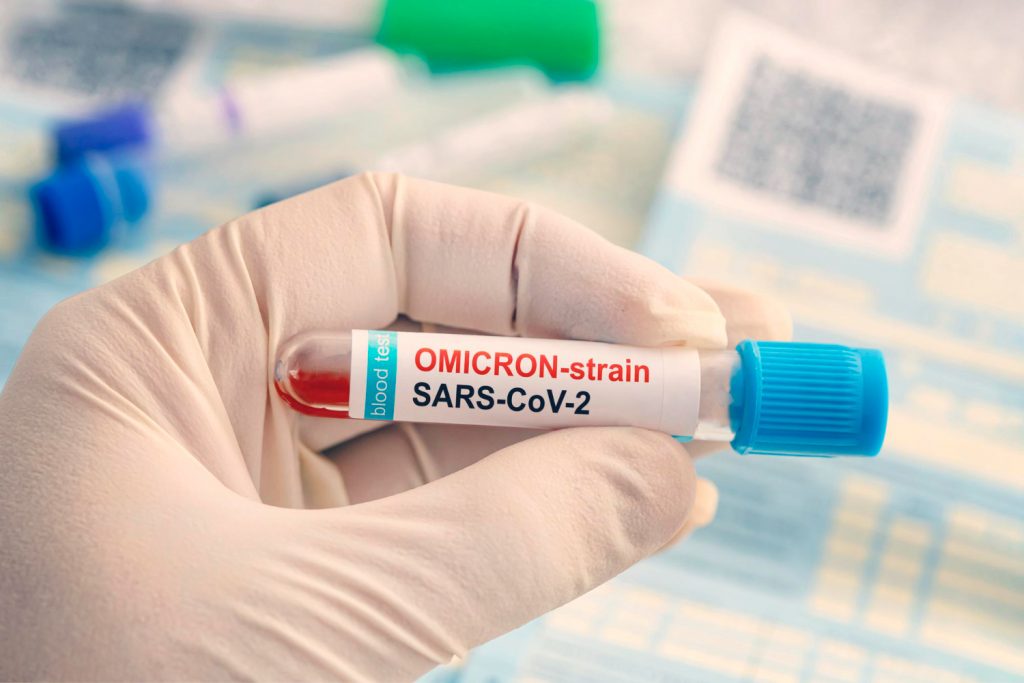
Omicron, the newest coronavirus variant, is also the quickest to be labeled a “variant of concern” by the World Health Organization because of its seemingly fast spread in South Africa and its many troubling mutations. Its emergence has already led to travel restrictions, high-level government meetings and promises by vaccine makers to start working on strain specific vaccines just in case.
But it has a long way to go to take over from Delta, the variant that dominates all over the world. And the long list of variants that at first frightened the world before falling off the map can be a reminder that viruses are unpredictable. Here’s a look at the named coronavirus variants.
Common Lung Disorders:
WHO designates coronavirus variants as either variants of concern meaning they look dangerous enough to bear close scrutiny and continual updates or as variants of interest, or variants under monitoring. Only five currently meet the definition for variants of concern: Alpha, Beta, Gamma, Delta and Omicron
Omicron:
The first sample of the Omicron or B.1.1.529 lineage was taken November 9, according to WHO. It got noticed because of a surge of cases in South Africa. “This new variant, B.1.1.529 seems to spread very quick!” Tulio de Oliveira, director of South Africa’s Center for Epidemic Response & Innovation, and a genetics researcher at Stellenbosch University, said on Twitter. Also, genetic sequencing showed it carried a large number of troubling mutations on the spike protein the knoblike structure on the surface of the virus that it uses to grapple onto the cells it infects.
Some of those mutations were already recognized from other variants and were known to make them more dangerous, including one called E484A a slightly altered version of a mutation called E484K that may make the virus less recognizable to some antibodies immune system proteins that are a frontline defense against infection and that form the basis of monoclonal antibody treatments. It also carries a mutation called N501Y, which gave both Alpha and Gamma their increased transmissibility. Just last week, Scott Weaver of the University of Texas Medical Branch and colleagues reported in the journal Nature that this particular mutation made the virus better at replicating in the upper airway think in the nose and throat and likely makes it more likely to spread when people breathe, sneeze and cough.
Like Delta, Omicron also carries a mutation called D614G, which appears to help the virus better attach to the cells it infects. “The number of mutations per se does not mean that the new variant will cause any problems; although it may make it more likely to look different to the immune system,” Dr. Peter English, former chair of the British Medical Association’s Public Health Medicine Committee, said in a statement.
What worries scientists is the number of mutations affecting the spike protein. That’s because most of the leading vaccines target the spike protein. Vaccines made by Pfizer/BioNTech, Moderna, Johnson & Johnson, AstraZeneca and other companies all use just small pieces or genetic sequences of the virus and not whole virus, and all of them use bits of the spike protein to elicit immunity. So, a change in the spike protein that made it less recognizable to immune system proteins and cells stimulated by a vaccine would be a problem. Early experiments have shown the variant can at least partly evade the protection offered by vaccines as well as some of the monoclonal antibody treatments in use. Several people identified with infections caused by Omicron have Delta.
Delta:
The Delta variant of coronavirus is now the dominant lineage in the US and much of the world. The Delta variant accounts for 99.9% of cases in the US, according to the US Centers for Disease Control and Prevention. Also known as B.1.617.2, it is clearly more transmissible than other variants, but it is still unclear if it causes more severe disease. It quickly took over from the B.1.1.7, or Alpha, variant in most countries.
Delta also carries a cluster of mutations on the spike protein. It can also evade the immune system, which may mean people who have been infected once with an older variant may be more likely to catch it again. It also eludes the effects of a monoclonal antibody treatment called bamlanivimab, made by Eli Lilly and Company, but is vulnerable to the protection offered by other monoclonal antibody treatments.
Other BLOGS