Dry Eye
Dr. Renu Poudel
 December 28, 2023

11:47 am
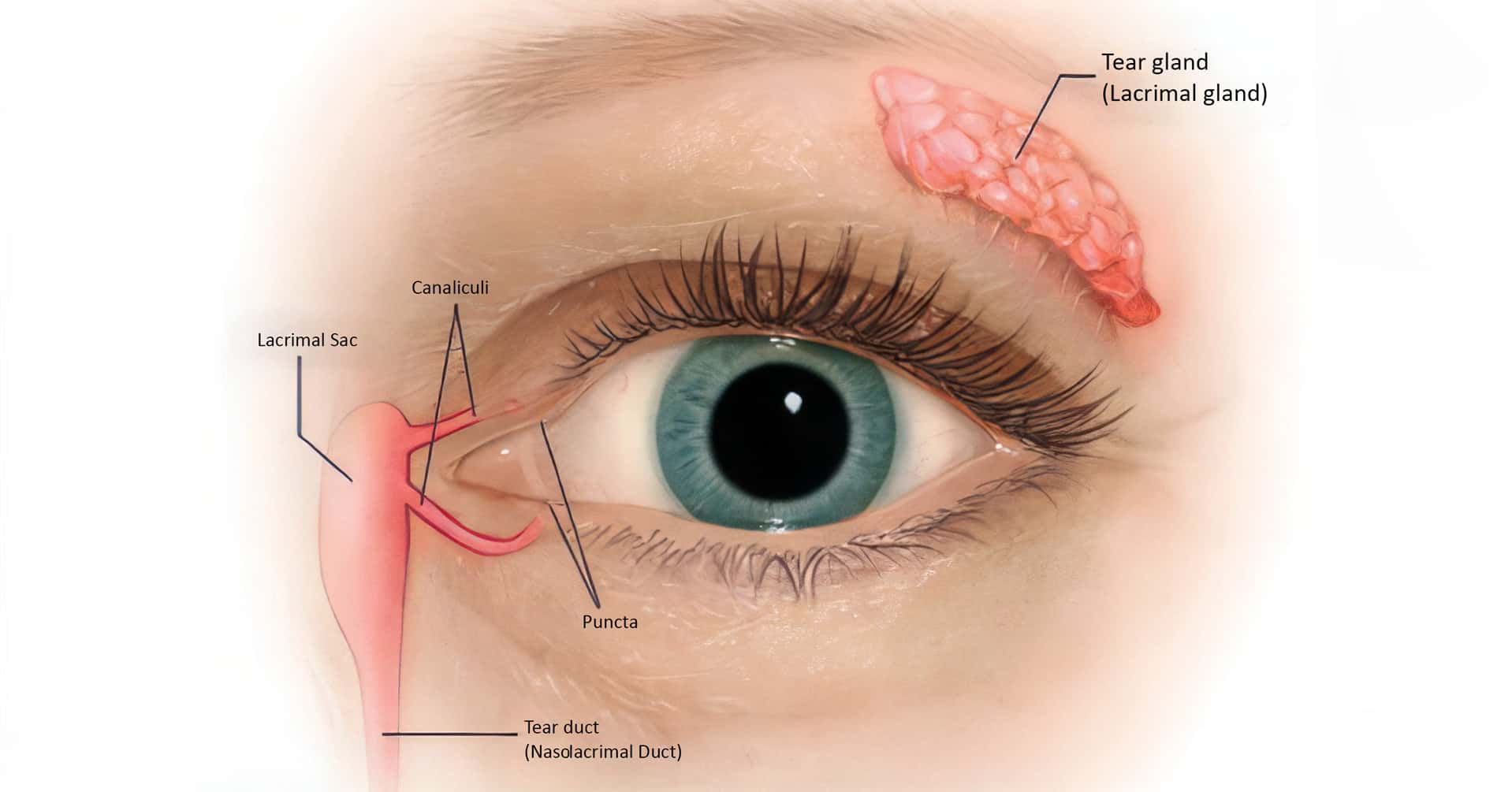
Tears are a part of human expression, but they are more than simply signs of emotion. Tears lubricate and cleanse our eyes thus provide clarity and protection to our precious vision. Our eyes are producing tears all the time and coat our eyes with a protective layer known as tear film. Tear film is made up of 3 distinct layers-an oily layer, watery layer and mucous layer and each layer is needed in tear film to keep our eyes moist.
When we blink, film of tears spread over the eye which keeps eye’s surface smooth and clear. This tear film also constantly cleanses any debris around the eye to keep eye surface clean. When tears are doing their job, we hardly think about them. But if your eyes don’t produce correct quality or quantity of tears, then there is dry eye. Dry eye is common condition that occurs when eyes don’t make enough tears or tears evaporates too quickly leading to eyes drying out and becoming red and irritated. It is chronic and typically progressive condition.
What factors increase the risk for dry eye?
Lifestyle changes and environmental factors are the major reasons for causing dry eye in today’s time. These include:
- Increasing air pollution.
- Looking for long time at computer and mobile screens.
- Use of Facial masks-mask associated dry eye
- Allergies
- Vitamin A deficiency
- Contact lens use
- Increasing age
- Hormonal changes during pregnancy, contraceptive uses, menopause
- Systemic diseases like arthritis, diabetes, thyroid disorders
What are the symptoms of dry eye?
- Constant uneasiness in eyes
- Burning sensation, stinging in the eye
- Dryness, sandy sensation
- Blurring of vision especially while reading
- Gritty feeling
- Red and irritated eye
- Painful to wear contact lenses.
Can we prevent our eyes from being too dry?
Yes, we can! Our first goal is to always prevent the natural tear film of the eye. Lifestyle changes and preventive measures like following can prevent or decrease severity of dry eye.
- Protect your eyes from drying wind and sunlight wearing glasses outside.
- Avoid using computers, phones, or watching TV for long time which is very difficult in this time so blink more while using computers and mobile. Close your eyes for 20 sec after every 20-minute use and always set your computer or mobile screen below eye level.
- Drink plenty of water to maintain hydration
- Don’t sit directly to wind, air conditioner, hair dryer or cooler
- Add omega 3 fatty acid to diet for dry eye relief
- If you have eyelid inflammation, applying warm compresses and lid massage and do regular cleansing of eyelid.
- Avoid smoking.
Is there any treatment available if I already have dry eye?
Yes, there is!! The first and most common option is Tear supplementation where you use artificial tear drop as a supplementation to lubricate the eyes and take necessary precautions to conserve your remaining natural tear. There are other options beside tear supplements like plugging your tear drainage pathway, drugs to reduce eyelid inflammation and cornea inflammation, eye inserts working like artificial tear drop, tear stimulating drugs, eye drops made from your own blood, intense pulse light treatment.
How to use medication for dry eye?
Depends on the severity of dry eye. For mild cases, one or 2 drops a day may suffice and for severe cases even hourly instillation may be needed. Ophthalmologist will generally decide the timing of your tear substitute according to the severity of dry eye. Keeping the tears from leaving the eye by closing the natural drainage channel of eyelids by using punctual plugs and soothing inflamed eyelids with warm compresses, eyelid massages, or eyelid cleaning also helps.
What if dry eye is not treated?
In addition to difficulty in daily activity like reading, driving, there are chances of damage to surface of eye (cornea) with inflammation, corneal epithelial defect, secondary infection, corneal ulcer and corneal scars leading to loss of vision. So, it is very important to early diagnose and treat dry eye.
Few myths and most commonly asked questions about dry eye.
Watery eyes are not symptom of dry eye!!!
Well, it sounds counterintuitive, but watery eyes are actually a symptom of chronic dry eye –it is due to reflex tearing but unfortunately these reflex tearing has poor lubricating properties.
Chronic dry eye isn’t a serious medical condition!!!
Chronic dry eye increases your risk for eye infections and damage to your cornea, the surface of your eye, damage the corneal sensation and causes blurring of vision.
Any type of eye drop helps chronic dry eye!!!
Some types of artificial tear solutions contain additives which can actually increase dryness. So, it is always better to consult your Ophthalmologist for the right tear supplement.
Chronic dry eye won’t affect vision!!!
Severe dry eye can cause blurring of vision and also cause corneal infection and scarring.
How do I manage dry eye and wearing contact lenses???
If the person has dry eye, it should be properly evaluated before wearing contact lens and there are specifically designed contact lens for dry eye. Similarly artificial tear substitutes can be used along with contact lens. Though dry eye is very common and chronic condition we tend to ignore the symptoms which not only affect our daily living but also can damage our sight. Patients need to understand and accept chronicity of dry eye and involve in activities to improve the quality of life.
By Dr. Renu Poudel
Ophthalmology
Gandaki Medical College
Other BLOGS