Need for Improvement in the Context of Women and Health

 October 31, 2022

6:32 am
“The best thermometer to the progress of a nation is its treatment of its women. There is no chance for the welfare of the world until the condition of women is improved’. – Swami Vivekananda, Great Indian Hindu Monk
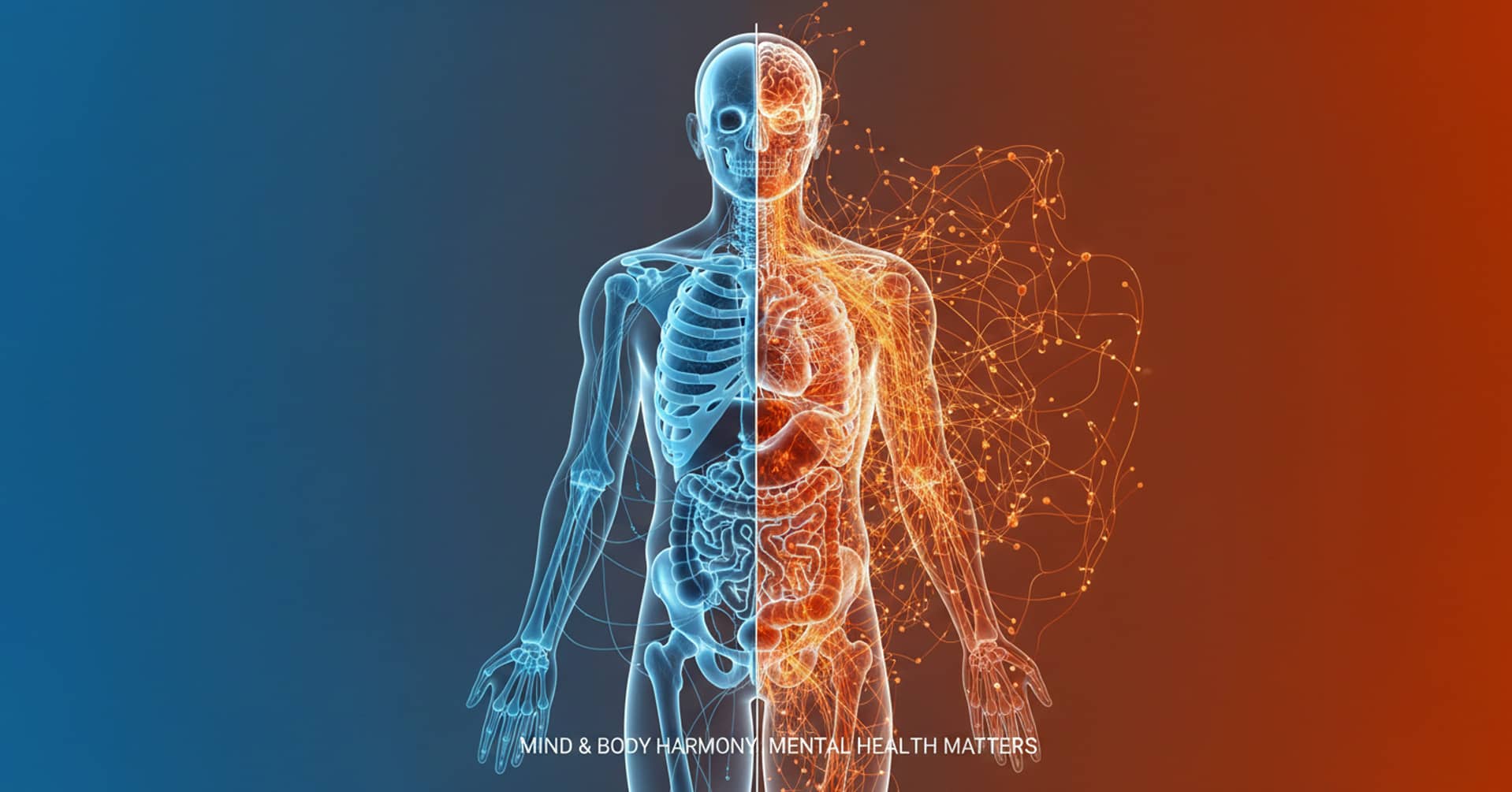
Throughout the world, various social norms, in some form or the other, deny women from their right to education, health services, economic opportunities and political participation. This gender inequality hinders the progress of environmental sustainability, financial stability, global health and human rights and is the primary cause of hunger and poverty. Women and Health is the key to sustainable development. Empowering women and meeting people’s individual needs for health, including reproductive health which is central to achieving sustainable social, economical and environmental development. Girls and women’s health is in transition and although some aspects of it have improved substantially in the past few decades, there are still important unmet needs.
Population ageing and transformations in the social determinants of health have increased the coexistence of disease burdens related to reproductive health, nutrition & infections, and the emerging epidemic of chronic and non-communicable diseases (NCDs). Simultaneously, worldwide priorities in women’s health have themselves been changing from narrow focus on maternal and child health to the broader framework of sexual and reproductive health and to the encompassing concept of women’s health, which is found on a life course approach. This expanded vision incorporates health challenges that effect women beyond their reproductive years and those that they share with men, but with manifestations and results that affect women dis-proportionally owing to biological, gender, and other social determinants. Women’s health refers to the health of women which differ from men in many unique ways. There is need of thinking and implementing the work more in context of women and health because women represent the cornerstone of a family’s overall health, ensuring they have access to quality care which also can lead to improved health for children and families.
Being a man or woman has significant impact on health as a result of both biological and gender related differences. The global roles of women in today’s society are as care takers, farmers, educators and entrepreneurs etc. Throughout the history, the central role of women in society has ensured the stability, progress and long-term development of nation. But the health of women and girls is of particular concern in many societies because they are disadvantaged by discrimination rooted in socio-cultural factors. While poverty is an important barrier to positive health outcomes for both men and women, poverty tends to yield a higher burden to women and girl’s health due to feeding practices (malnutrition, and use of unsafe cooking fuels).
Some of the socio-cultural factors that prevent women and girls to benefit from quality health services and attaining best possible level of health include as follows: –
(i) An exclusive focus on women’s reproductive roles
(ii) Social norms that decrease education and paid employment opportunities
(iii) Potential or actual experiences of physical, sexual and emotional violence
Other BLOGS