
Repercussion of Blue Ray Light on Circadian Rhythm
Dr. Jem Boyaju
 December 26, 2022

8:55 am
Light is made up of electromagnetic particles that travel in waves. These waves emit energy, and range in length and strength. The shorter the wavelength; the higher the energy. The length of the waves is measured in nanometers (nm), with 1 nanometer equaling 1 billionth of a meter. Every wavelength is represented by a different color, and is grouped into the following categories: gamma rays, x-rays, ultraviolet (UV) rays, visible light, infrared light, and radio waves. Together these wavelengths make up the electromagnetic spectrum. However the human eye is sensitive to only one part of this spectrum: visible light. Visible light is that part of the electromagnetic spectrum that is seen as colors: violet, indigo, blue, green, yellow, orange and red. Blue light has a very short wavelength, and so produces a higher amount of energy. Studies suggest that, over time, exposure to the blue end of the light spectrum could cause serious long-term damage to our eyes.
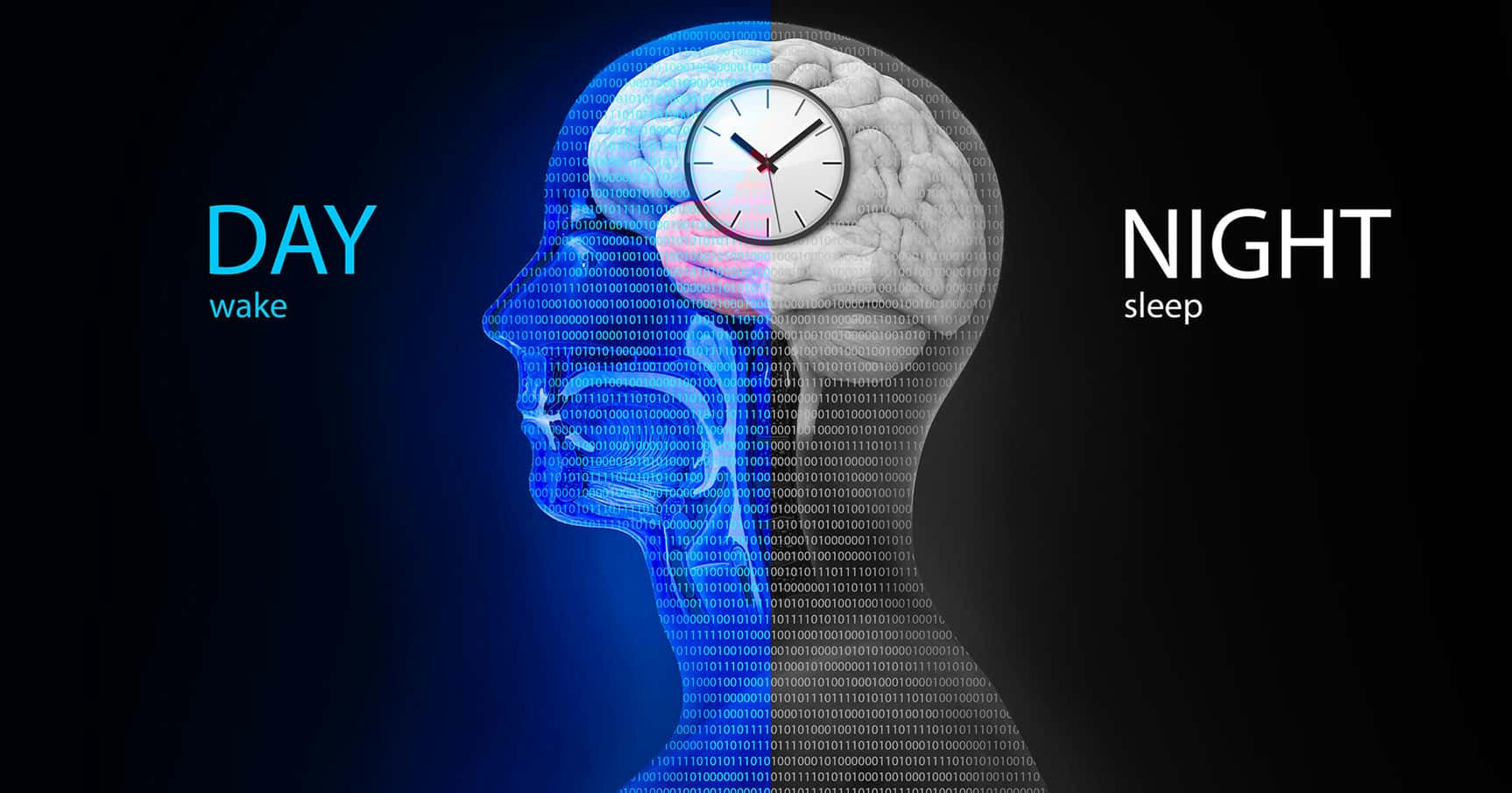
Circadian rhythms are physical, mental, and behavioral changes that follow a 24-hour cycle. These natural processes respond primarily to light and dark and affect most living things, including animals, plants, and microbes. Light exposure, and particularly melanopsin-activating blue light exposure, signals to the body that it is daytime. In the dark, ipRGC signaling decreases and melatonin is secreted. Melatonin, the sleep hormone, undergoes a sharp rise in response to dim light approximately one to three hours before bedtime, known as dim light melatonin onset. Exposure to regular light/dark patterns, i.e., light during the day and darkness at night, is critical for overall health and performance. A growing body of evidence shows that the timing, intensity, spectral composition and duration of light exposure all contribute to circadian health.
Nighttime use of electronic devices, including televisions, computers and handheld devices, is highly prevalent, with 90% of Americans reporting electronic device use in the hour before bedtime. Evening exposure to short-wavelength light prior to bedtime may disrupt sleep through ipRGC-induced melatonin suppression, contributing to the high frequency of reported cases of sleep dysfunction, which affects up to 40% of the population.-Computers, cell phones and video games at night are associated with more difficulty falling asleep and less restful sleep. Evening smartphone use, with and without a blue-blocking filter, showed attenuated nighttime melatonin in comparison with reading a printed book, albeit less so when the filter was used.
An obvious solution to combat light-induced melatonin suppression is to cease electronic device use and dim indoor artificial lights a few hours before bedtime. However, given challenging academic obligations and demanding workloads, this is often an unrealistic expectation. An alternative is the use of blue-blocking lenses before bedtime. A recent study showed that wearing blue-blocking glasses before bedtime, even while continuing to work on digital devices, increased nighttime melatonin by 58%, increased sleep duration by 24 minutes and improved subjective sleep quality. Note that the lenses used in that study blocked nearly 100% of wavelengths less than 500nm and were worn only at bedtime, not throughout the day. Another study demonstrated subjective improvements in both sleep quality and mood, as well as a decrease in LED-induced nighttime melatonin suppression, in participants wearing blue-blocking glasses at nighttime for two weeks.
Role of Optometrist
Many patients are concerned about “blue light hazard,” in part due to extensive marketing of blue-blocking lenses. It is the optometrist’s obligation to educate their patients and present evidence-based clinical recommendations. Patients should be informed that there are no physiological mechanisms linking blue light to digital eye strain, that blue-blocking lenses show no benefit to eye comfort in controlled clinical trials and that there is no evidence supporting a link between digital device use and retinal damage. Additionally, patients should be notified that studies investigating links between screen time and myopia are conflicting and inconclusive. Optometrists should educate parents that nighttime screen time and artificial light can lead to sleep disruptions. They can also convey general recommendations for screen use in children by referring parents to guidelines set by the American Academy of Pediatricians and World Health Organization.
How can the Optometrist help relieve digital eye strain?
Note that it is a diagnosis of exclusion. Refractive status must be comprehensively examined, considering objective and subjective as well as non-cyclopleged and cyclopleged measures. A careful assessment of binocular vision should be performed, as binocular vision conditions can often present with the same symptoms as digital eye strain. A patient’s individual viewing needs should be discussed, which will vary based on academic or work demands and leisure screen time. Patients who are presbyopic or nearing presbyopia, or those with reduced accommodative amplitude and facility, may benefit from computer glasses to reduce accommodative demand at their habitual computer-viewing distance.
Physical attributes, such as body height and arm length, should be considered. For both children and adults, workstations should be set up with ideal ergonomics that take into account viewing distance, angle and height. Glare, brightness, contrast and font size are also important factors for comfort during extended screen time. Dry eye symptoms related to digital devices can be addressed by teaching the patient to blink during screen time, using lubricating drops and employing other traditional treatments for dry eye. A common clinical recommendation is the 20-20-20 rule. For every 20 minutes of near work, look at objects further than 20 feet away for at least 20 seconds. This general rule-of-thumb may help remind patients to blink and intermittently relax their eyes. Based on studies demonstrating the attenuating effects of blue light on melatonin, screen time and artificial light exposure should be decreased one to two hours before bedtime. This can also be accomplished through the use of amber-tinted lenses before bedtime. Lenses with the ability to block close to 100% of shorter wavelengths are the most effective. Other options include using apps and installing home lighting that both aim to reduce blue light.
References:
1. http://www.revieweducationgroup.com/ce/10-questions-on-digital-devices-and-eye-health-answered
2. https://www.verywellhealth.com/blue-light-exposure-3421985
3. https://www.everydayhealth.com/sleep/blue-light-what-is-it-and-how-does-it-affect-your-sleep
4. http://www.bluelightexposed.com/#where-is-blue-light-found
5. https://www.webmd.com/sleep-disorders/sleep-blue-light#091e9c5e81e55958-1-2
By Dr. Jem Boyaju
Doctor Of Optometry
Private practice
Other BLOGS