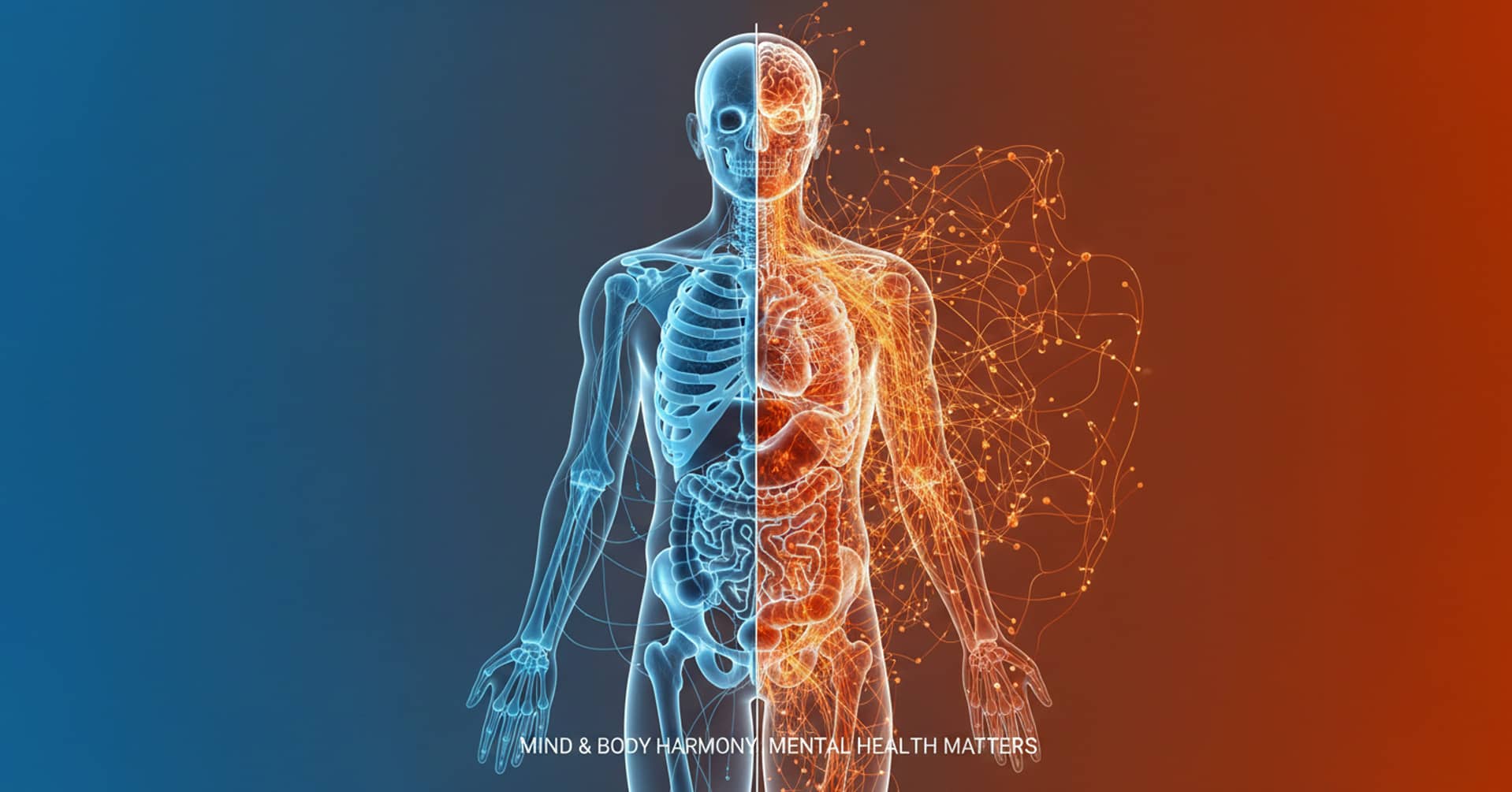
मानसिक रोगमा देखिने शारीरिक लक्षण

साधारणतया आम मानिसको बुझाई के छ भने मानसिक समस्या र शारीरिक समस्या नित्तान्त भिन्न र आपसमा सम्बन्ध नभएको समस्या हो । वर्तमान समयमा कतिपय मानिसले यी दुई बीचको समानताबारे बुझ्न थालेका छन् भने कतिपयलाई अझै पनि यो कुरा बुझ्न कठिनाई छ । हामीले मानसिक रोगलाई मानसिक लक्षणबाट मात्र बुझ्न थाल्यौँ भने धेरै मानसिक रोगीहरु उपचारको प्रक्रियाबाट बाहिरिन्छन् र यी रोगहरुलाई एक किसिमको शारीरिक रोगकै हिसाबले मात्र उपचार गरिन्छ । मेरो यो ३० वर्षको चिकित्सा क्षेत्रको अनुभवबाट के बताउँछ भने यस्ता बिरामीहरू जसलाई शारीरिक लक्षणहरू छ वास्तवमा उनीहरूलाई शारीरिक रोग केही पनि हुँदैन तर मानसिक समस्या हुन सक्छ । विरामीहरू शारीरिक लक्षणको आधारमा शारीरिक रोगको चिकित्सकहरु कहाँ उपचार गर्न जान्छन् जसमा फिजिसियन, गाइनोकोलोजिस्ट, सर्जन अथवा अरु विधामा जानु सामान्य हो त्यसलाई अन्यथा लिन मिल्दैन । यो प्रक्रिया एकचोटी एकजना डाक्टर कहाँ गएर टुङ्गिनुपर्ने हो तर यस्ता विरामीहरू बारम्बार विभिन्न किसिमको डाक्टरहरूकोमा गइरहेका हुन्छन् र औषधि पनि धेरै खाइरहेका हुन्छन् । साथै, चेक जाँच र ल्याबोरेटरी टेस्ट पनि चाहिनेभन्दा बढी गराइरहेका हुन्छन् । तसर्थ, एक त समयको नाश अर्को बिरामीमा नकारात्मक धारणाहरूको बिकास हुने र धेरै पटक जाँच गराउँदा अनावश्यक रुपमा आर्थिक स्रोतको पनि दुरुपयोग हुन सक्छ ।

विरामीहरू एक चिकित्सककहाँ उपचार गराउँदा ठीक नभएपछि अर्को चिकित्सककहाँ जान्छन् । त्यहाँ गएर पुनः त्यही टेस्टहरू गराउँछन् । यो प्रक्रिया एक–दुई चिकित्सकमा मात्र सिमित नभई धेरै चोटि दोहोरिन्छ । उपचार खर्च जति धेरै भएपनि रोग भने जहाँको त्यही हुन्छ । यतिसम्म हुन्छ कि मानिसहरू रोग पत्ता लागेन भनेर विदेशसम्म पनि जान्छन् । यहाँ बुझ्नुपर्ने कुरा के छ भन्दा लक्षण हेरि चिकित्सक कहाँ गएर सबै जाँच पड्ताल गर्दापनि कुनै शारीरिक रोग नभेटिएपछि बिरामीलाई तपाईलाई केही पनि रोग छैन भनिन्छ । त्यही नै समस्या हो । बिरामीमा रोगको लक्षण भने जहाँको त्यही हुन्छ, त्यसैले उ अर्को चिकित्सक कहाँ जान्छ । पुनः रोगको लक्षण जहाँको त्यही हुने हुँदा अर्को चिकित्सककोमा जाने क्रम निरन्तर भइरहन्छ । त्यसैले बिरामीमा चिकित्सा शास्त्रप्रति विश्वास नै हट्दै जान्छ र ऊ अरु कुनै अवैज्ञानिक पद्धतिमा लाग्छ । जसले गर्दा बिरामीले धेरै अनावश्यक आर्थिक खर्चहरुका साथै तनाव पनि भोग्नुपर्ने हुन्छ । मैले यतिसम्म पनि देखेको छु कि यो चक्करमा गाउँमा भएको आफ्नो गाईवस्तुहरू अनि कृषि उपजहरू सबै बेचेर आउँछन् । कतिपय बिरामीहरूले त रोग पत्ता नलागि नै विदेश जानलाई जग्गा जमिनहरूनै बेचेका पनि हुन्छन् ।

कतिपय परिस्थितिमा मानसिक समस्या एकदमै साधारण खालको हुन्छ जसलाई केही साधारण औषधिहरू मात्र दिएर पनि ठीक गर्न सकिन्छ । यसै सन्दर्भमा कस्तो किसिमको लक्षणहरू हुन्छन् त बुझौँ ।

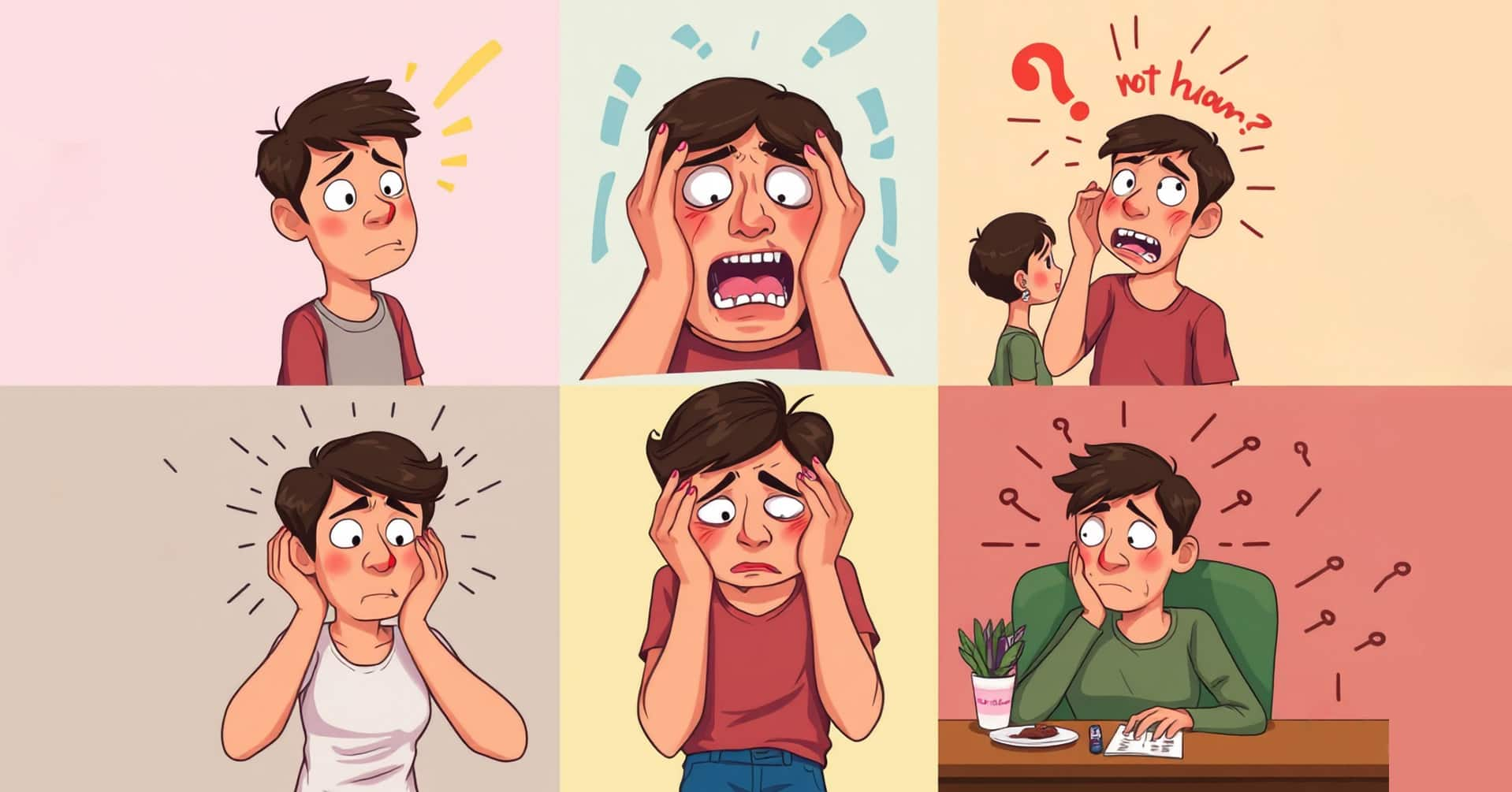
प्रायः व्यक्तिमा सर्वप्रथम देखिने लक्षणहरूमा टाउको दुख्ने, पेट दुख्ने, खुट्टा दुख्ने, हात खुट्टा झमझमाउने र रिंगटा लाग्ने हुन सक्छ । लक्षण पूर्णतया मानसिक कारणहरूबाट हो भने बिरामीमा विभिन्न मानसिक रोगहरू हुन सक्छ जस्तैः डिप्रेशन, एङ्जाइटी लगायत अरुनै कुनै कडा खालको मानसिक रोग पनि लागेको हुन सक्छ । यसलाई हामीले बेलैमा पत्ता लाएनौ भने उसको उपचार पनि जटिल हुँदै जान्छ । साथै, बिरामीले टाउको दुखेको, हात खुट्टा झमझमाएको, पेट सम्बन्धी समस्या भएको महसुस गर्छन् । जसले गर्दा धेरैचोटि अल्ट्रासाउन्ड, इन्डोस्कोपी, रगत जाँच लगायत वरिष्ठ चिकित्सककहाँ जाँच पड्ताल गराउँछन् । रोगको राम्रोसँग पहिचान हुन नसक्दा बिरामी लगायत उसको परिवारजनले ठूलो आर्थिक भारसँग तनावको पनि सामना गर्दछन् । यो कुरा एकआपसमा यसरी गाँसिएको छ कि हामी समयमै सचेत हुन निकै जरुरी छ ।

यसो भन्दै गर्दा कुनै शारीरिक लक्षण देखिने बित्तिकै मानसिक चिकित्सक कहाँ जानुपर्ने अनिवार्य छैन तर जाँच पड्ताल गर्दा कुनै ठोस कारण नदेखिए मानसिक चिकित्सकको परामर्श लिन उपयुक्त हुन्छ जुन कुरा दुवै चिकित्सक र बिरामीले बुझ्न आवश्यक छ । हाम्रो देशमा मानसिक रोगप्रतिको पूर्वाग्रही धारणाका कारण बिरामीहरू मनोचिकित्सककहाँ जान मान्दैनन् । हामीले मानसिक रोग कसैलाई पनि लाग्न सक्छ र उपयुक्त उपचार गरे यसको निवारण सम्भव छ भन्ने कुरा बुझाउन जरुरी छ । समयमै उपचार नगरे बिरामी लगायत उसको परिवारजनले आर्थिक, सामाजिक रूपमा निरिह भई संघर्ष गर्नुपर्ने हुन्छ जसले गर्दा जीवनका विभिन्न पक्षहरु प्रभावित हुन्छन् । तसर्थ, पहिलोचोटि उपचार गराएको चिकित्सकले नै मानसिक रोगको सम्भावना भए मनोरोग विशेषज्ञको परामर्श लिनको लागी सल्लाह दिनुपर्छ ।

विभिन्न किसिमका डिप्रेशनहरूमा पनि शारीरिक लक्षणहरू देखिन्छन् । विशेषगरी ग्रामीण भेगका महिलाहरूको जीवनशैली, शिक्षा र सचेतनाको कमीको कारणले आफ्नो मनको भावना बुझ्न र व्यक्त गर्न सक्दैनन् । त्यसैगरी शहरी भेगका शिक्षित व्यक्तिहरूले पनि मनका भावनाहरू र वेदनाहरूलाई राम्रोसँग व्यक्त गर्न सकिराखेका हुँदैनन् । जसले गर्दा शारीरिक र मानसिक स्वास्थ्यमा नकारात्मक असर पर्दछ । यो कुरा शारीरिक पीडाको रूपमा देखा पर्छ जसलाई मानिसहरूले मलाई पेट दुख्छ, मलाई टाउको दुख्छ भनेर व्यक्त गरिरहेका हुन्छन् । हामीले यसलाई एकदमै सूक्ष्म रूपमा जाँच पड्ताल गर्‍यौं भने त्यसको पछाडिको डिप्रेशनलाई देख्छौं । त्यहाँ विभिन्न किसिमको मनोसामाजिक समस्याहरू देखिन सक्छ । बिरामीलाई एकदमै भित्रभित्रै पीडा भइरहेको हुन्छ जुन उसले व्यक्त गर्न सकेको हुँदैन अथवा व्यक्त गर्ने मौका नपाएको हुनसक्छ वा व्यक्त गर्ने इच्छा नभएको पनि हुनसक्छ । मानसिक स्वास्थ्यका बारे सचेतना नभएकोले मानसिक समस्या देखिए तापनि समस्या लुकाउन खोज्ने र स्वीकार नगर्ने हुन्छ । यो रोग भित्रभित्रै बढ्दै जान्छ जसले गर्दा रोगीमा आत्महत्या गर्ने सोच पनि आउन सक्छ ।

अर्को रोगको कुरा गर्नुपर्दा व्यक्तिहरूलाई रोगको चाहिनेभन्दा बढी शङ्का र सोच आउँछ जसलाई हाइपोकोन्ड्रिया भनिन्छ । यसमा बिरामीले मलाई यो रोग लागेको छ भनेर सोच्ने र विभिन्न डाक्टरहरू कहाँ जाने गर्दछ जसलाई चिकित्सक भाषामा डाक्टर शपिङ पनि भनिन्छ । जसमा रोगी एक डाक्टरबाट अर्को डाक्टर कहाँ जाने, अनेक टेस्टहरु गराउने, विभिन्न रोग जस्तैः क्यान्सर, एच.आइ.भी. वा उपचार नहुने रोग लाग्यो कि भनेर बिरामीले शङ्का र डर मान्ने गर्छन् । अझ कतिपयले त डाक्टरसँग परामर्श नै नगरि एकैचोटि ल्याबमा गएर टेस्टहरू गराउँछन् । त्यसमा पनि स्रोत र साधनको व्यापक दुरुपयोग हुन्छ । हाम्रो जस्तो आर्थिक रूपले विपन्न देशमा यस्तो किसिमको स्रोत साधनको दुरुपयोग हुनु भनेको समाजको लागि पनि त्यति राम्रो होइन । विरामको अत्याधिक शङ्का र डरकै कारणले गर्दा विदेशमा गएर उपचार गराए तापनि विदेशी चिकित्सकहरूले यहीँकै जस्तो औषधि दिन्छन् ।

यस्ता मानसिक रोगमा बिरामी यस्तो रोग छ भनेर विश्वस्त र अडिक रहन्छ र १० वटा ल्याबटेस्टको रिपोर्ट दिए पनि रोग छैन भन्ने कुरामा विश्वस्त हँुदैन । यो एक कडा किसिमको मानसिक रोगको लक्षण पनि हुन सक्छ । त्यसैले हामीले यसलाई नजरअन्दाज नगरी राम्रोसँग हेरेर, बुझेर समयमै निवारण गर्न सक्यौँ भने बिरामी लगायत उसको परिवार र समाजलाई फाइदाजनक हुन्छ ।

हालको सर्वेक्षण र तथ्याङ्कले अस्पतालमा उपचार गराउन जाने झन्डै २०–२५% मानिसहरूमा केही न केही किसिमको मानसिक रोग भएको देखिएको छ । ती सबै मानसिक रोग विशेषज्ञ कहाँ रिफर हुँदैनन् जसले हाम्रो रेफरल प्रणालीमा पनि समस्या भएको देखाउँछ । साथै, चिकित्सकले समयमै रेफर नगर्ने र रोगीले पनि यथार्थलाई नस्वीकार्ने बानीले गर्दा रोगको पहिचानमा ढिलाई हुन्छ । जसलाई हामीले राम्ररी ध्यान दियौँ र बिरामीलाई सम्झायौँ भने स्रोत–साधनको दुरुपयोग र आर्थिक भार पनि घट्छ ।

विभिन्न परिस्थितिहरुमा थोरै औषधि, उचित परामर्श र सहकार्यले गर्दा रोगीको लाखौं रुपैयाँको बचतसँगै जीवनलाई पनि सुन्दर बनाउन सक्छौँ भन्ने मलाई लाग्छ । यसमा मानसिक विशेषज्ञको ठूलो भूमिका हुन्छ । तसर्थ, नीजि तथा सरकारी स्वास्थ्य संस्थामा विद्यमान रेफरल प्रणालीलाई सुधार्‍यौँ भने स्वस्थ समाज र राष्ट्र निर्माण गर्न केही टेवा पुग्थ्यो ।


प्रो. डा. पुष्प प्रसाद शर्मा
वरिष्ठ नशा तथा मनोरोग विशेषज्ञ
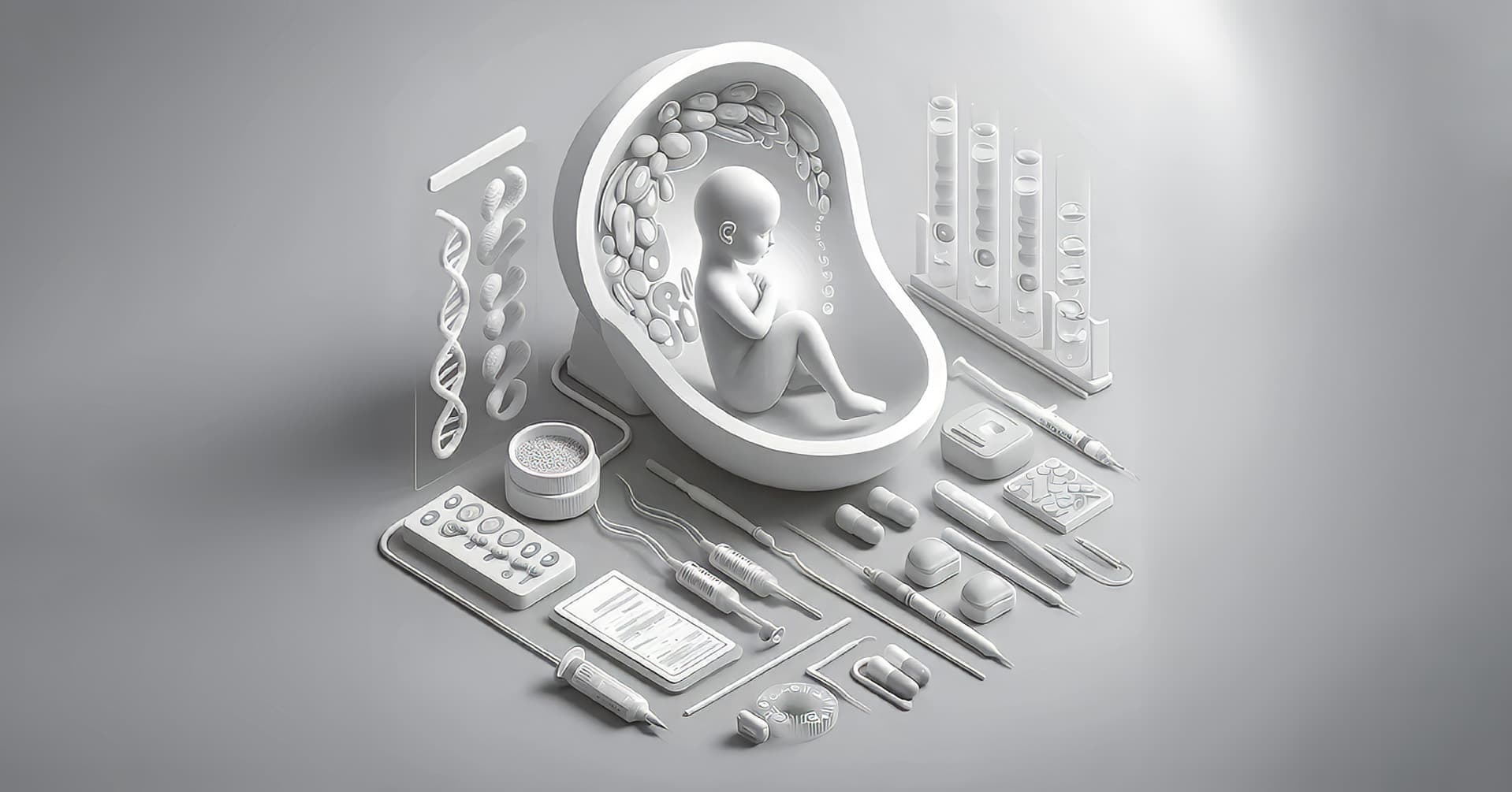
आइ. भि. एफ. विधि के हो ?

आइ. भि. एफ. विधि के हो ?

सामान्यतया केटी मान्छेमा महिनावारीको बीचको समयमा एउटा अण्डा बन्छ । त्यो अण्डा डिम्बाशयबाट निस्किएर ट्युबमा जान्छ । त्यही बेला यौनसम्पर्क हुँदा योनीबाट वीर्य पनि पाठेघर हुँदै ट्युबमा पुग्छ । यसरी ट्युबमा बनेको पछि आएर पाठेघरमा बस्छ । बच्चा बन्ने यो एउटा सामान्य प्रक्रिया हो ।

यदि कुनै कारणले डिम्बाशयमा अण्डा नबनेर ट्युबमा पुग्दैन वा ट्युब बन्द भएर वीर्य र अण्डाको संयोजन हुन पाएन अथवा पाठेघरमा बच्चा बन्ने प्रक्रिया हुन नसके आइ.भि.एफ. विधि प्रयोग गरिन्छ । बच्चा बन्ने यही प्रक्रियालाई कृत्रिम तरिकाले बाहिर प्रयोगशालामा गरिनुलाई आइ.भि.एफ. (इनभिट्रो फर्टिलाइजेशन) पद्धति भनिन्छ । सामान्य भाषामा यसलाई टेष्टट्यूव बेबी भनिन्छ ।

सुरूवाती समयमा कृत्रिम तरिकाले गर्भाधारण गराएर भ्रुणलाई ट्युबमा विकास गरिने भएकाले यसलाई टेस्टट्युब बेबी भनिएको हो ।

महिलाको अण्डामा समस्या भएको, बन्ने प्रक्रिया नभएको, अन्य कुनै महिलाको अण्डा लिनुपर्ने भए वा पुरुषको वीर्यमा कुनै खराबी देखियो भने अण्डा र वीर्य झिकेर संयोजन गराइन्छ । यसरी लिइएको अण्डा र वीर्य प्रयोगशालामा हुने उपकरण (इन्कुबेटर) मा ३ देखि ५ दिनसम्म राखिन्छ । त्यसपछि विकास भएको भ्रुणलाई महिलाको पाठेघरमा राख्ने क्रिया नै आइ.भि.एफ. पद्धति हो ।

आइ. भि. एफ. किन गर्ने ?

महिलाको अण्डा वा पुरुषको वीर्य बन्ने प्रक्रिया नभए वा खराबी भए, त्यसको परिपूर्ति अर्को व्यक्तिबाट गर्नुपर्ने हुन्छ । यसरी लिइएका अण्डा र वीर्य इन्कुबेटरमा ३ देखि ५ दिन राखेर भ्रुण विकास गरिन्छ । ट्युबमा विकसित भ्रुणलाई उपकरणमार्फत पाठेघरमा पठाएर गर्भधारण गराइन्छ । यो आइ.भि.एफ प्रविधि निसन्तान वा बाँझोपनको सफल समाधान बनेको छ ।

अण्डाशयमा अण्डा नबन्ने अथवा साना–साना डिम्ब बने पनि नबढ्ने, पाठेघरको नली पूरा बन्द भएमा, पिप या पानी जमेमा, पाठेघरको झिल्ली क्षयरोग अथवा कुनै कारणबाट पातलो भएमा, हर्मोनमा गडबडी, पाठेघरको झिल्लीमा मासु बढ्नु, गर्भाशयको मुख ज्यादै सानो हुनु जस्ता अवस्थाले बच्चा नभएमा आइ.भि.एफ विधिको सहायता लिइन्छ ।

आइ.भि.एफ विधिमामा पुरुषको शुक्रकीटलाई सफा गरेर त्यसलाई स्वस्थ बनाएर राखिन्छ, त्यस सँगसँगै अण्डा कम बन्ने महिललाहरुलाई अण्डा उत्पादन गर्न सक्ने हर्मोनहरु औषधीहरू राखिन्छ र अण्डाको विकास गरिन्छ । त्यसरी विकास भएको महिलाको डिम्बलाई कृत्रिम तरिकाले निकालेर प्रयोगशालामा शुक्रकीटसँग मिलाएर भ्रुण विकास गराएपछि महिलाकै पाठेघरमा प्रत्यारोपण गरेर पाठेघरभित्रै बच्चा गर्भधारण गराइन्छ ।

सुरुवात मै सबैलाई आइ.भि.एफ गर्न सल्लाह दिँदैनौँ यसका विभिन्न चरणहरू हुन्छन् । पुरुष अथवा महिलाको अवस्था कस्तो छ ? सामान्यतया एक – दुई वर्ष प्राकृतिक रूपमै प्रयास गर्दा पनि नभएपछि कहिलेकाहीँ सामान्य औषधीहरूको सेवन गर्दा पनि गर्भधारण हुन सक्छ ।

जस्तै महिलाहरूको महिनावारी गड्बडी हुने साथै अन्य साधारण समस्याहरूको लागि सामान्य औषधी सेवन गर्दा पनि हुन्छ । त्यस्तै कहिलेकाहीँ पुरुषको शुक्रकीट न्यून हुने गर्छ त्यस्तो बेलामा शुक्रकीट सफा गरेर पनि महिलाको पाठेघरमा राखिन्छ, यो प्रविधिलाई आई.यु.आई भनिन्छ ।

त्यसपछि महिलाहरूको पाठेघरको समस्या, नलीहरू बिग्रेको अवस्थामा आइ.भि.एफ गछौँ । बाँझोपन हुने धेरै कारण हुन्छन् । कुन कारणले बाँझोपन भएको हो भन्ने पत्ता लागेन भने आइ.भि.एफ असफल पनि हुनसक्छ । आइ.भि.एफ गरेका महिलाहरूलाई उच्च निगरानीमा राखिन्छ । अन्य समस्या आउन नदिन धेरै ख्याल गर्नुपर्छ ।

आइ.भि.एफ गरेका महिलाहरूलाई हामी शल्यक्रियाबाट नै बच्चा जन्माउन सल्लाह दिन्छौं । किनकी प्राकृतिक तरिकाले गर्दा अलि असहज पनि हुन सक्छ । आइ.भि.एफ बाट जन्मेको बच्चा र प्राकृतिक रूपमा जन्मेको बच्चामा केही फरक पनि हुँदैन ।

आइ.भि.एफ.पद्धतिका चरणहरू :-

यसका मुख्य तीनवटा प्रक्रिया हुन्छन् ।

  • पहिलो, पूर्वतयारी अवस्था ।
  • दोश्रो, महिलाको अण्डा बाहिर झिक्ने ।
  • तेश्रो, बाहिरी रूपमा विकासित भ्रुणलाई उपकरणमार्फत् पाठेघरमा पठाउने ।

पूर्वतयारी अवस्थामा निःसन्तान दम्पत्तिको बाँझोपनसम्बन्धी अवस्थाको विस्तृत पहिचान गरिन्छ । चिकित्सकीय माध्यमबाट श्रीमानश्रीमतीको सम्पूर्ण जाँच गरिन्छ । जसअन्तर्गत श्रीमान् र श्रीमतीको कुन–कुन कुरामा समस्या वा खराबी छ, के कारणले सन्तान हुन नसकेको हो भन्नेबारे सुक्ष्म अध्ययन र अनुसन्धान गरिन्छ ।

सामान्यतः महिलाको पाठेघरको सुरूवाती अवस्थालाई विस्तृत अध्ययन गरी तयारी गरिन्छ । त्यसपछि महिनावारी हुनेवित्तिकै सुई लगाइन्छ र उसको डिम्बाशयलाई हर्मोनको माध्यमबाट विस्तार गरेर धेरै अण्डा बनाइन्छ ।

जब डिम्बाशयमा अण्डा परिपक्व हुन्छ, एउटा सुई दिएर ३४–३५ घण्टापछि अण्डा बाहिर निकालिन्छ । यो प्रक्रिया शल्यक्रियामार्फत् हुन्छ । यसरी झिकिएको अण्डालाई इन्कुबेटर उपकरणमा वीर्यसँग उपयुक्त वातावरणमा संयोजन गराई प्रयोगशालामा राखिन्छ । त्यसपछि त्यहीँ भ्रुण विकास हुन्छ ।

यदि वीर्यको मात्रा कम छ वा कुनै खराबी भए एउटा मात्र वीर्य डिम्बाशयमा छिराएर भ्रुण विकास गर्नुपर्छ । इन्कुबेटरबाट पाठेघरमा राखिन्छ । बिरामीलाई आवश्यक औषधी दिएर १४ दिनमा अस्पताल बोलाइन्छ र त्यसपछि गर्भाधारण अवस्थाबारे जाँच गरिन्छ । विश्वव्यापी रुपमा आइ.भि.एफ विधिको सफलता ४५ देखि ५० प्रतिशत रहेको मानिन्छ ।

सामान्यतया, पहिलो चरणको प्रक्रियामा पाँच वटाभन्दा बढी भ्रुण बनाइन्छ । महिलाको अवस्था हेरर एक वा दुई वटा भ्रुण पाठेघरमा हाल्ने गरिएको छ । बाँकी भ्रुण सुरक्षित राखिन्छ । यदि पहिलोपटक सफल नभए, अर्कोपटक बाँकी रहेकाबाट पुनः पाठेघरमा हालिन्छ ।

दोस्रो पटक पाठेघरमा भ्रुण हाल्दा सुरूको प्रक्रियामा जानुपर्दैन । प्रयोगशालामा राखिएको भ्रुण राख्ने मात्र हो । अहिलेसम्मको नतिजा हेर्दा यसरी सुरक्षित भ्रुण राख्दा पहिलेकोभन्दा प्रभावकारी नतिजा आएको छ ।

दम्पत्तिले एक वर्षसम्म परिवारनियोजनका कुनै साधन प्रयोग नगरिकन नियमति यौनसम्पर्क गर्दा पनि बच्चा बसेन भने त्यसलाई बाँझोपन भनिन्छ । त्यो अवस्थामा ट्युब, डिम्बाशय, हार्मोन या पुरुषमा केही खराबी छ कि भनेर हामी पत्ता लगाउँछौं । त्यसपछि मात्रै बिरामीको उपचार सुरू हुन्छ ।

आइ.भि.एफ बारे धेरैको कम बुझाइ रहेको पाइन्छ । आइ.भि.एफ गरेर बच्चा जन्माएको भन्ने कसैलाई थाहा नहोस् भन्नेहरू पनि हुन्छन् । कतिपयले यसरी जन्मिने बच्चा नियमित प्रक्रियाबाट जन्मिनेभन्दा फरक हो भन्ने गलत धारणा पनि बनाएको पाइन्छ ।

आइ.भि.एफ पद्धतिबाट जन्मने बच्चा सामान्य हुन् । जुन प्रक्रियाले पाठेघरभित्र बच्चा बन्छ त्यही प्रक्रिया प्रयोगशालामा गरिएको मात्र हो । नेपालमा यसको प्रयोगबारे विस्तारै सचेतना फैलिँदैछ ।

यदि महिलाको डिम्बाशयमा अण्डा छैन वा उसको उमेर ४०–४५ भइसक्यो भने सामान्य प्रक्रियाबाट आमा बन्न सक्ने सम्भावना धेरै कम हुन्छ । यस्तो अवस्थामा अरू महिलाको अण्डा र महिलाको श्रीमान्‌को वीर्य मिलाएर पाठेघरमा राखिन्छ ।

वीर्य पनि अज्ञात दाताबाट लिन मिल्छ । सायद यही कारणले मानिसमा गलत धारणा परेको हुनसक्छ । तर जसले बच्चा जन्माउँछ, त्यो बच्चा उसकै हो ।

यो प्रक्रियाबाट बच्चा जन्माउँदा महिलालाई पूर्णरुपमा आराम लिएर सुत्नुपर्छ, कामै गर्न सकिँदैन, औषधी मात्रै खानुपर्छ भन्ने गलत बुझाइ छ । तर यो पूरा सही होइन । सुरूवाती समयमा आराम गर्न परे पनि बेड रेस्ट नै भन्ने होइन ।

सामान्य गर्भवतीलाई एक–एक महिनामा अस्पताल बोलाए जस्तै आइ.भि.एफ गरेकालाई पनि बोलाइन्छ । त्यस्तै सामान्य टिटनास खोप, आइरन, क्याल्सियम र आवश्यकता अनुसारको औषधि दिइन्छ । सुत्केरी पनि सामान्य प्रक्रियाबाटै हुन्छ ।

भ्रुण प्रत्यारोपण पछि गर्न हुने कार्यहरू :-

  • भ्रुण प्रत्यारोपणपछि केही घण्टा (कम्तिमा दुई घण्टा) अस्पतालमा नै आराम गर्नुपर्छ ।
  • प्रोजिष्टेरोन हर्मोन लिनुपर्छ ।
  • आफ्नो खानामा बदाम, गेडागुडी, भटमास, फलफुल, जमिन मुनी फल्ने फलहरु सखरखण्ड र तरुल, दूध, अण्डा, नफलेको वा बोक्रा नछुट्याइएको अन्न, प्रशस्त कार्बोहाइड्रेट भएको, प्रोटिन भएको, जिङ्क भएका शक्तिवद्र्धक र पोषिला खानेकुराहरु समावेश गर्नुपर्छ ।
  • काजु, बदाम, ओखर, किसमिस, अन्जिर, छोकडा, नरिवल लगायतका ड्राइ फ्रुट (सुकाएको फलफुल) र हरियो सागसब्जी र स्याउ, सुन्तला, केरा, अनार, एभोकाडो, चुकन्दर, विभिन्न फलका रस र दलिया प्रशस्त खानुपर्छ ।
  • प्रशस्त निन्द्रा र आराम चाहिने भएकाले त्यसकालागि काममा धेरै व्यस्त नरहेर आराम गर्नुपर्छ ।
  • कोशिकाहरुको विकासमा हामीले पिउने पानीको अहम भूमिका रहने भएकोले प्रशस्त पानी पिउनुपर्छ । साथै कब्जियत हुन नदिन प्रशस्त मनतातो पानी पिउनुपर्छ ।
  • शरीर र मनलाई शान्त राख्ने किसिमका उपयुक्त ध्यान, योगासन तथा प्राणायाम सिकेर नियमित व्यायाम गर्नुपर्छ ।
  • डाक्टरले प्रि न्याटल (गर्भावस्थापूर्वको अवस्थामा) लेखी दिनुभएका भिटामिनहरु, पोषक तत्वहरु तथा फोलिक एसिड नियमित रुपमा सेवन गरिराख्नुपर्छ । यी तत्वहरु तपाईंको गर्भमा हुर्कदै गरेको भ्रुणको स्नायू विकासलागि अति महत्वपूर्ण भूमिका खेल्छ ।
  • सडकमा गाडीमा यात्रा गर्नुभन्दा हवाइजहाजमा उडेर यात्रा गर्नु तुलनात्मक रुपमा उपयुक्त हुन्छ । भ्रुण प्रत्यारोपण गरेको दिन पूरा आराम गरेर भोलिपल्ट अर्थात् ४८ घण्टापछि प्लेनमा उडेर घर फर्कनु उपयुक्त हुन्छ । प्रत्यारोपण गरेलगत्तैको २४ घण्टा पूरा आराम गर्ने र बढी हलचल नगरी बस्नु अनिवार्य छ ।

भ्रुण प्रत्यारोपण पछि गर्न नहुने कार्यहरू :-

  • सम्भोग गर्नु हुँदैन ।
  • तातो पानीले नुहाउनु हुँदैन ।
  • एरोविक्स र स्वीमिङ जस्ता कडा किसिमका व्यायामहरु गर्नु हुँदैन ।
  • धुम्रपान गर्ने गरेको भए त्याग्नुपर्छ ।
  • जाँड रक्सी लगायतका मद्यपान र लागू औषध सेवन गर्ने गरेको भए त्यसलाई त्याग्नुपर्छ ।
  • प्रशोधित खानेकुरा, टुना फिस, गालेको अचार र १२ घण्टा भन्दा अघि तयार गरेका (बासी) खानेकुरा खानु हुँदैन ।
  • मेवा, एलोभेरा जुस, आरु, लिची, तीते करेला, चिप्ले किरा खानु हुँदैन ।
  • चिया, कफी र कोल्ड ड्रिंक्स लगायतका पेटमा ग्यास उत्पन्न गर्ने खाद्य तथा पेय पदार्थहरु पिउनु हुँदैन । पुदिना र ग्रिन टि ले संकुचन पैदा गर्ने हुनाले पिउनु हुँदैन ।
  • पशुजन्य चिल्लो पदार्थहरु घ्यु, चिज जस्ता खाद्य पदार्थ खानु हुँदैन । पानीमा हुने जीवहरु कस्तुरी, झिंगे माछा, गङ्गटो, रातो मासु, काँचो तरकारी र सलाद, काँचो अण्डा, प्रशोधित चिनी, स्याकरिन जस्ता कृत्रिम गुलियो बनाउने खाद्य पदार्थ खानु हुँदैन ।
  • काँचो सलाद र तरकारी खानु हुँदैन ।
  • केमिकल रियाक्सन र विभिन्न जीवाणुको संक्रमणको खतरा रहने भएकाले सार्वजनिक स्वीमिङ पुल र साउना प्रयोग गर्नु हुँदैन ।
  • हाल बजारमा पाइने माछामा मर्करीको मात्रा उच्च पाइने गरेकाले माछा खानु हुँदैन ।
  • गह्रुङ्गा र भारी अनि धेरै तौल भएका सामानहरु उचाल्नु हुँदैन ।

Reversal of Type 2 Diabetes Mellitus: Myth or Reality?

It is common knowledge that type 2 diabetes mellitus is a complex, multifactorial, metabolic disease associated with genetic predisposition, obesity, sedentary lifestyle and overindulgence in high calorie foods. As a developing nation, we should be more concerned about this global pandemic as it has been predicted that by 2030, it is expected that there will be a 69% increase in number of adults with diabetes in the developing world compared to a 20% increase in the developed world.

Diabetes Mellitus exacts an expensive toll on healthcare systems worldwide and it is especially burdensome for middle and lower-income countries like ours. Successful reversal of diabetes would relieve health-care systems and societies around the world from a substantial and increasingly unsustainable socio-economic burden.

Diabetes reversal is defined as a return to below the World Health Organization (WHO)/American Diabetes Association (ADA) original diagnostic thresholds for diabetes and this return should be maintained for 3 months without any glucose-lowering pharmacotherapy.

Can Diabetes be really reversed?

Contrary to the traditional narrative that type 2 diabetes is a chronic irreversible process requiring a continuous titration of add on pharmacotherapy inexorably leading to dependence on insulin for more than 50% patients in 9-10 years, new studies highlight newer approaches to managing diabetes that emphasize reversal and remission. As per Diabetes UK website, four approaches have been suggested: low carbohydrate diets, very low-calorie diets, exercise and bariatric surgery. Systematic reviews showed that bariatric surgery could initially reverse T2DM for 58% to 95% of patients. Initial data suggested that gastric bypass is the most effective at inducing diabetes remission in T2DM patients, followed by sleeve gastrectomy, and then gastric banding. Longer term data (5-year) reveal that remission rates for T2DM patients after sleeve gastrectomy are nearly as good as those for gastric bypass.

Visceral fat accumulation, especially in liver and pancreas, has shown to be an important pathophysiological factor for type 2 diabetes mellitus. Excess fat in liver worsens hepatic responsiveness to insulin leading to increased glucose production and in the pancreas excess fat induces metabolic stress to β cells leading them to enter into survival mode. Removal of excess fat from these organs via substantial weight loss can normalize hepatic insulin responsiveness and β cell recovery possibly by redifferentiation. Diabetes Remission Clinical Trial (DiRECT) showed that 46% of people with type 2 diabetes could achieve remission at 12 months and 36% at 24 months mediated by weight loss. Substantial weight loss may be achieved through Medical Nutritional Therapy (MNT) involving Low Carbohydrate Diet (LCD), Very Low-Energy Diet (VLED), behavioral changes as part of lifestyle changes recommended by American Heart Association (AHA) and exercise, namely high intensity interval training.

Exercise, high intensity interval training, in particular, has been suggested as an important key in the reversal of type 2 diabetes. The Nutrition Practice Guideline (NPC) suggests aiming for more than 150 min\week of moderate intensity aerobic physical activity, divided between 3 days per week, and with no gap of more than two consecutive days without exercise. Daily physical activity is known to be an essential component of long-term weight control. The types of exercise that appears most beneficial for reducing post-prandial glycemia and insulin resistance appear to be pre-prandial resistance training and high-intensity interval exercise.

Pharmacotherapy with Calorie Restriction Mimetic (CRM) drugs like glucagon like peptide-1 receptor agonists (GLP1RAs), calorie wasting drugs like sodium glucose co- transporter 2 inhibitors (SGLT2i) and anti-obesity drug like orlistat have been proposed to render diabetes from a progressive disease to the disease which can be put into remission. Weight loss has been postulated as a cornerstone of diabetes remission whereas widespread use of hyperphagic drugs that promote weight gain like insulin and sulphonylureas is a contradiction to this conundrum.

CRM drug like orlistat has been shown to be effective at improving glycemic profile comparable to improvement seen with antidiabetic medications. Orlistat also improves glycemic control and reduces insulin requirements when it is added to insulin monotherapy in T2 diabetes. Jennings et al found a triple therapy of metformin, pioglitazone and repaglinide to be effective for reversing newly diagnosed T2DM patients. The drugs were given at maximum tolerated doses and then tapered according to results. Remission rates are higher in newly diagnosed type 2 diabetes patients and in those patients who have not yet developed complications. American College of Lifestyle Medicine (ACLM) suggests that Whole Food Plant Based (WFPB) diet coupled with moderate intensity physical exercise may induce partial and complete diabetes remission though concrete results are yet to be obtained and necessitate further studies.

Conclusion

In conclusion, type 2 diabetes mellitus is a complex multifactorial disease with genetic predisposition. As it is complex in pathophysiology equally complex is its remission and reversal. A multitude of approaches like dietary modification with LCD or VLED, exercise, lifestyle modification, bariatric surgery, pharmacotherapy, mostly with CRM drugs, behavioral changes and a combination of plant based whole food diet coupled with moderate intensity physical exercise has been suggested as potential measure for type 2 diabetes reversal. We can unanimously conclude that greater scientific and medical community believes type 2 diabetes reversal is not a myth but a very achievable reality.


Dr. Sabin Chaulagain
Consultant Physician & Endocrinologist
Scheer Memorial Adventist Hospital, Banepa

The Impact of Biotechnology Breakthroughs in Healthcare

Biotechnology stands at the forefront of innovation and progress in the rapidly evolving healthcare technology industry. The commercialization of biotechnology products has transformed healthcare, offering novel solutions to age-old problems and improving patient outcomes.

The biotech revolution has its roots in the late 20th century when scientists began harnessing the power of biological systems to develop new therapies and diagnostics. Unlike traditional pharmaceuticals, biotech products leverage the intricate workings of living organisms to address a wide range of medical conditions. This approach has paved the way for breakthrough treatments and groundbreaking technologies once considered science fiction.

One of the most iconic examples of biotech’s transformative potential is the advent of recombinant DNA technology. This groundbreaking innovation allowed scientists to splice and manipulate genes, creating genetically modified organisms (GMOs) capable of producing therapeutic proteins. The development of recombinant insulin in the 1980s, produced using genetically engineered Escherichia coli bacteria, marked a major milestone in biotech commercialization, offering a safer and more reliable source of insulin for millions of diabetics worldwide.

Monoclonal Antibodies

Another remarkable biotech success story lies in the realm of monoclonal antibodies (mAbs). These engineered proteins have become a cornerstone of modern medicine, offering targeted precision in treating various diseases. Herceptin (trastuzumab), developed by Genentech, exemplifies the potential of mAbs. Approved by the FDA in September 1998, Herceptin revolutionized the treatment of HER2- positive breast cancer by selectively targeting cancer cells while sparing healthy ones. Its success not only extended patients’ lives but also paved the way for a new era of personalized medicine.

Beyond oncology, mAbs have found applications in autoimmune diseases, infectious diseases, and even neurological disorders. For example, biotech Biogen developed Aduhelm (aducanumab), a monoclonal antibody therapy for Alzheimer’s disease. While its 2021 approval generated significant controversy, it serves as a testament to the power of biotechnology in addressing complex medical conditions.

Genome Sequencing

Advancements in biotechnology have also democratized genome sequencing, making it more accessible and affordable than ever before. The Human Genome Project, completed two years ahead of schedule in 2003, marked a monumental achievement in deciphering the entire human genetic code. This breakthrough laid the foundation for personalized medicine and identifying genetic markers associated with various diseases.

One of the pioneers in commercializing genome sequencing is Illumina. The company’s high-throughput sequencing technologies have enabled researchers and clinicians to decode DNA quickly and accurately. In 2007, Illumina launched the MiSeq System, a benchtop sequencer that made genetic analysis more accessible to laboratories worldwide. Today, Illumina’s sequencers are instrumental in cancer genomics, rare disease diagnosis, and pharmacogenomics, guiding treatment decisions tailored to an individual’s genetic makeup.

However, next-generation sequencing (NGS) data output has been growing at a pace surpassing Moore’s law, doubling more than annually.

In September 2022, Illumina introduced the NovaSeq X and NovaSeq X Plus, claiming that these new systems reduced the cost of sequencing a complete human genome to $200. The NovaSeq X Plus can sequence 20,000 genomes per year, a significant improvement compared to Illumina’s previous machines, which could only process 7,500 genomes annually and generate up to 16 Tb of data in a single run.

Gene Editing

One of the most transformative biotech breakthroughs in recent years has been the development of CRISPR––Cas9 gene editing technology. CRISPR, short for clustered regularly interspaced short palindromic repeats, has revolutionized genetic engineering by introducing the ability to alter an organism’s DNA to precision medicine. This revolutionary technique allows scientists to precisely edit genes, opening new possibilities for treating genetic diseases and advancing biotechnology.

For instance, Intellia’s remarkable transition from one liver-targeted therapy to another was achieved by simply modifying the guide RNA to direct the DNA edit’s location. This is compelling evidence of CRISPR’s adaptability and potential as a versatile therapeutic platform technology, offering the prospect of addressing a diverse range of diseases with a single, refined delivery method.

Additionally, there is anticipation for the approval of Vertex and CRISPR Therapeutics’ collaboration for a CRISPR-based sickle cell disease treatment, exagamglogene autotemcel (exa-cel), which is expected to be granted in Europe this year. This marks the first approval of a CRISPR-based therapy for human use, underlining CRISPR’s potential to enhance human health significantly.

CRISPR is making strides in clinical trials, from blood disorders, like sickle cell disease and beta thalassemia, to cancers treated with CAR-T immunotherapy and base editing. There are also developments in genetic blindness, diabetes, chronic infections, inflammatory diseases, cardiovascular diseases, HIV/AIDS, and muscular dystrophy. Researchers are continually exploring the potential of CRISPR to improve treatment and even provide functional cures for various medical conditions.

Vaccines

Biotechnology has also played a pivotal role in vaccine development, as demonstrated by the rapid response to the COVID-19 pandemic. Pfizer and Moderna, two prominent biotech companies, made headlines with their mRNA-based vaccines. These vaccines represented a paradigm shift in vaccine technology, offering the potential for faster development and customization.

Pfizer’s COVID-19 vaccine, developed in partnership with BioNTech, received emergency use authorization in record time. Its success, along with Moderna’s vaccine, showcased the ability of biotechnology to respond swiftly to global health crises. Moreover, the adaptability of mRNA vaccines to emerging variants underscores the resilience of biotech in the face of evolving pathogens.

The commercialization of biotech products has ushered in a new era of healthcare technology, redefining the approach to diagnosis, treatment, and prevention. These innovations improve patient outcomes and inspire hope for a future where previously incurable diseases may become manageable or curable.

As biotechnology continues to evolve, supporting and investing in research and development in this field is vital. The next generation of biotech products holds the potential to address even more healthcare challenges, offering brighter prospects for individuals worldwide. The commercialization of biotech products is not just a business endeavor but a beacon of hope for a healthier, more resilient future.

Alivia Kaylor, MSc

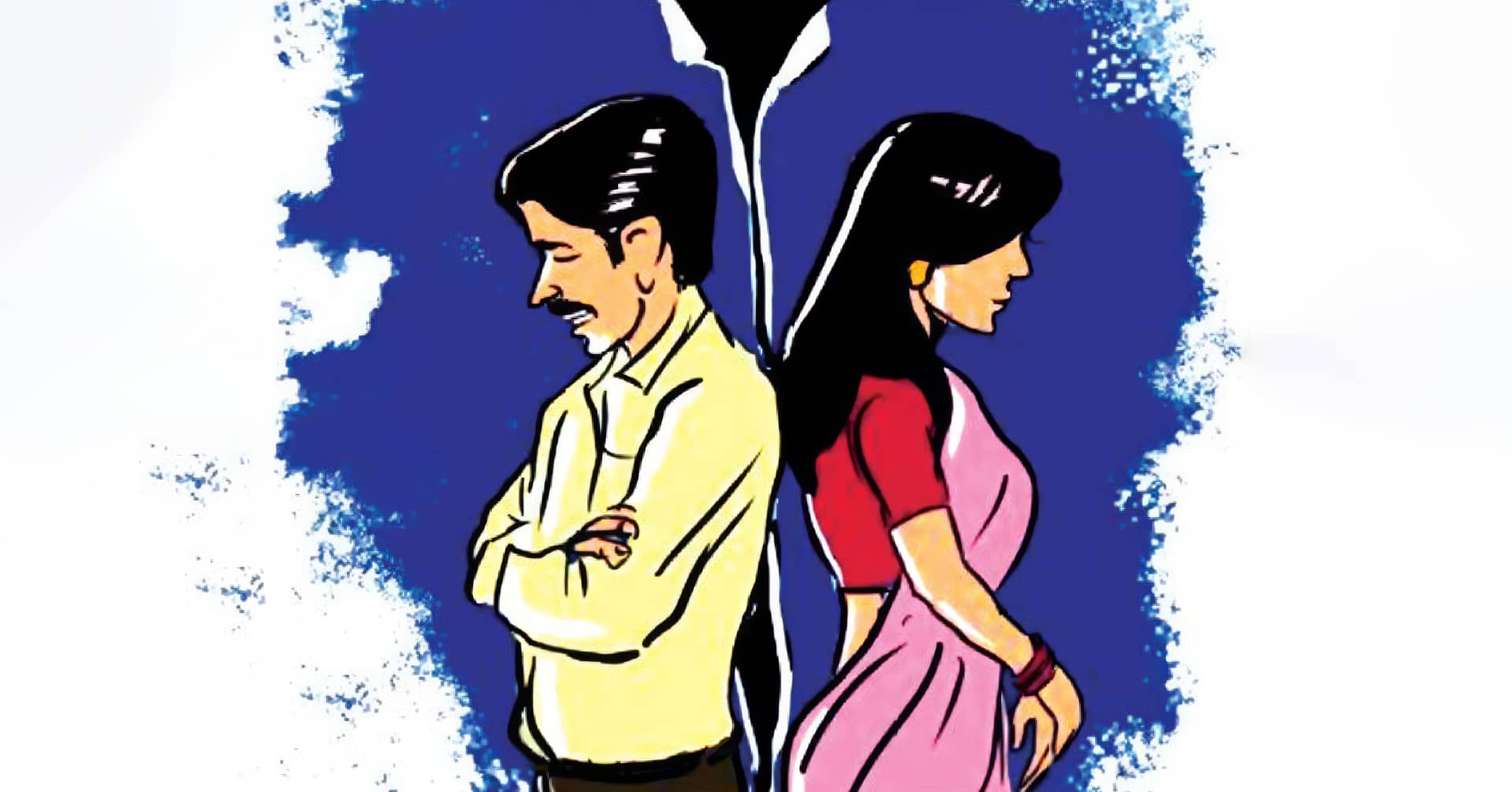
हाउसवाइफ सिन्ड्रोम

यस लेखमा दिइएको जानकारी पीडित मनोवैज्ञानिक/परामर्शदाताबीचको निरन्तर वार्ताको रूपमा प्रस्तुत र गरिएको छ । स्पष्टताका लागि पीडितको प्रतिक्रिया गाढा अक्षरमा हाइलाइट गरिएको छ ।

आज मलाई भेट्न समय दिनुभएकोमा धन्यवाद । साँच्चै भन्ने हो भने, मैले कहिल्यै पनि यो दिन आउँछ भनेर सोचेकै थिइन । म पहिला अरू विवाहित जोडीहरुलाई सल्लाह दिने गर्दथे । तर, अहिले म यहाँ छु, र मेरो विवाह एउटा धागोले मात्रै जोडिएको जस्तो महसुस गरिरहेको छु । म यसलाई सुधार्न चाहन्छु, तर कसरी सुरु गर्ने भन्ने कुरामा म अलमल्ल परिरहेको छु ।

तपाई परामर्शको लागी यहाँ आउनुभएकोमा म खुशी छु । विवाहमा कहिलेकाहीँ अलमलिनु सामान्य हो । आउनुहोस्, के भइरहेको छ भनेर कुरा गरौं र कसरी सबै कुरा पुनः सही दिशामा लैजाने भन्ने कुरा हेरौं ।

मेरी श्रीमती शन्ध्याले मलाई भनिरहेकी छिन् कि उनलाई अब यो विवाहमा रहन चाहना छ कि छैन थाहा छैन । उनीले अलग बस्नेबारे कुरा गर्दै छिन् ।

यो कुरा सुनेर मलाई साह्रै दुःख लाग्यो । उनीलाई के भइरहेको छ भनेर उनले तपाईलाई केही कारण बताइन् त?

उनले मलाई केही पनि भन्दिनन् । उनी बस् यत्ति भन्छिन् कि उनी खुशी छैनन् । तिमी किन खुशी छैनौ भनेर सोध्दा, उनी भन्छिन् कि उनलाई थाहा नै छैन । म के गरौं भनेर सोच्नै सकिरहेको छैन । हाम्रो सम्बन्ध सधैं राम्रो थियो जस्तै लाग्थ्यो तर अहिले के भइरहेको छ भन्नेकुरा म बुझ्न सकिरहेको छैन । उनलाई के भइरहेको छ? उनी किन यस्तो गर्दैछिन्‌?

कतिपय महिलाहरूले एक अज्ञात समस्यासँग संघर्ष गर्छन्, जुन प्रायः खालीपन वा अपँर्णताको अनुभँतिको रूपमा प्रकट हुन्छ । केही महिलाहरूले यो समस्या समाधान गर्न शान्तिदायक (Tranquilizers) औषधिहरूको सहारा लिन्छन् वा आफ्नो असन्तुष्टिलाई परिवारका सदस्यहरूसँग जोड्छन् । कतिपय महिलाहरूमा अस्पष्ट लक्षणहरू जस्तै थकान, रिसाईरहने वा कारणबिना रुने आदिका लागि चिकित्सकको सहायता खोज्छन् । यस समस्यालाई मनोचिकित्सकहरुले “हाउसवाइफ सिन्ड्रोम” भनेका छन् । यसैगरी, केही महिलाहरूमा रगत बग्ने छालाका फोकाहरू देखिन्छन् जसलाई डाक्टरहरूले “हाउसवाइफ ब्लाइट” भनेका छन् । जुन घरेलु कामकाज जस्तै सरसफाईबाट नभएको र प्राथमिक उपचार पद्धतिबाट पनि ठीक नहुने हुन्छ । यी विविध समस्याहरु धेरै महिलाहरुमा गहिरो, अज्ञात र नसुल्झिएको रोगको रुपमा देखा पर्दछ । जसको मानसिक स्वास्थ्यसंग प्रत्यक्ष सम्बन्ध हुन्छ तर शारीरिक रुपमा देखा पर्दछ ।

धेरै महिलाहरुमा लामो समयसम्म अध्ययन गर्दा यो खालीपन केवल भावनात्मक सम्बन्ध वा स्नेहको अभावका कारण थिएन, यो त सन्तुष्टिको अभावका कारण थियो । ती महिलाहरूलाई थाहा थिएन कि उनीहरू किन असन्तुष्ट महसुस गरिरहेका छन् । उनीहरूलाई केवल यत्ति थाहा थियो कि केही न केही कमी भइरहेको छ । कामकाजी महिलाहरुमा पनि यदि उनीहरुले काम, घर र सामाजिक अपेक्षाहरुको तालमेल मिलाउन खोज्दा आफ्‌नो खोज, व्यक्तिगत रुचि र व्यवसायिक महत्वकांक्षाहरुको लागी थोरै समय पनि निकाल्न नपाउँदा ठीक “हाउसवाइफ सिन्ड्रोम“ मा भनिए जस्तै असन्तुष्टिको भावना महसुस गरेका थिए । यस किसिमको असन्तुष्टिबाट उत्पन्न हुने तनावलाई व्यवस्थापन गर्न कतिपय महिलाहरु अतिरिक्त वैवाहिक सम्बन्धमा (Extra Marietal Affairs)  आवद्ध हुन पुग्छन् । अध्ययनमा सहभागी भएका महिलाहरुसँग सोधपुछ गर्दा जब उनीहरूले पर पुरुषसँग अफेयर (Affair) राखे, तब उनीहरूले आफँ पुनर्जीवीत महसुस गरेको बताएका छन् । अफेयरको उमङ्गले क्षणिक रुपमा असन्तुष्टिलाई छोपेको र सन्तुलित बनाएजस्तो देखाउँछ ।

मतलब ?

धेरै महिलाहरू र पुरुषहरू जब प्रेममा परेको अनुभँति गर्छन्, यो अनुभँति वास्तवमा हाम्रो मस्तिष्कमा कसैप्रति आकर्षित हुँदा उत्पन्न हुने रसायनको कारणले हुन्छ, जसलाई Phenyl Ethyl Amine (PEA) भनिन्छ । पि.इ.ए. (PEA) उत्पन्न भएको बेला अनुभव गरिने अनुभँति लागँ औषध कोकेन (Cocaine) सेवन गरेपछि महसुस हुने अनुभँतिसँग मिल्दोजुल्दो हुन्छ । पि.इ.ए. एक आनन्ददायक उत्तेजक हो । पि.इ.ए. को प्रभाव सेवन गरिएका उत्तेजक लागँ औषधहरूभन्दा लामो समयसम्म रहन सक्छ ।

कसैलाई सोचेर मात्र पनि पि.इ.ए. को स्तर बढ्न सक्छ, जसको कारणले हामी आकर्षित मानिसहरूको बारेमा धेरै समय कल्पना गर्छौं । यसले हामीलाई एक प्रकारको उत्तेजना दिन्छ । तर, जब हामी त्यो व्यक्तिको नजिक लामो समयसम्म बस्न थाल्छौं, सम्बन्धको सुरुवातमा अनुभव गरेको उच्च अनुभँति कम हुन थाल्छ । हाम्रो शरीरले पि.इ.ए. प्रति सहनशीलता विकास गर्छ । यो हामीले धँम्रपान वा लागँ औषध सेवन गरेजस्तै नशालु हुन्छ ।

तसर्थ, यदि तपाईकी श्रीमती शन्ध्या कसैलाई भेट्दै छिन् भने, उनी सोच्न सक्छिन् कि उनी त्यो व्यक्तिसँग प्रेममा परेकी छिन् । तर, वास्तवमा उनी त्यो व्यक्तिको नजिक रहेर अथवा उसलाई सोचेर पि.इ.ए. द्वारा पाउने उच्च अनुभँतिमा व्यसनी पनि हुन सक्छिन् ।

शन्ध्याले कहिल्यै त्यसो गर्नेछैनन् ।

म आशा गर्छु कि शन्ध्यासँग जे भइरहेको छ भन्ने मेरो शंका गलत होस्, तर मेरो अनुभवले देखाउँछ कि जब महिलाले भन्छिन्, “म खुशी छैन,“ यसको वास्तविक अर्थ हुन्छ, “म दिक्क भइसकेकी छु,” र जब महिलाले थप्छिन्, “मलाई लाग्छ हामी अलग हुनु पर्छ,“ त्यसको वास्तविक अर्थ हुन्छ, “म कसैसँग नजिक हुँदैछु” । उनी पछिल्लो समय कसरी व्यवहार गर्दैछिन् ?

उनी आजकाल मबाट निकै टाढा टाढा रहन खोजेजस्तो लाग्छ । कहिलेकाहीं उनी मलाई यस्तो घृणाको नजरले हेर्छिन् कि म उनको अगाडि बस्न पनि सक्दिन ।

धेरै महिलाहरुमा लामो समयसम्म भएको अध्ययनबाट मनोविश्लेषकहरुले सम्बन्ध बिच्छेदको चार श्रृंखलागत प्रतिक्रियाको चरण उल्लेख गरेका छन् ।

पहिलो चरणः यस चरणमा महिलाहरूले उनीहरूसँग राम्रो घर, परिवार, र माया गर्ने श्रीमान् भए तापनि आफ्नो जीवनमा केही न केही कुराको कमी भएको महसुस गर्ने र केही महिलाहरूले श्रीमान्‌ले आफँलाई छोएमा पनि आफँ पीडित भएको अनुभँति गर्ने गरेको पाइएको छ ।

दोस्रो चरणः यस चरणमा महिलाहरूले अफेयर (Affair) मार्फत पुनः मानसिक सन्तुष्टि, स्फुर्तिको वृद्धि भएको अनुभव गर्ने र समयक्रममा, धेरैजसो महिलाहरूले विवाहमा आफ्ना आवश्यकताहरू पँरा नभएको वा श्रीमान्‌को अघिल्लो व्यवहारलाई दोष दिएर आफ्नो चाहनालाई उचित ठान्ने, जसले गर्दा बाहिरी सम्बन्ध (Affair) तिर थप आकर्षित हुने पाइएको छ ।

तेस्रो चरणः यस चरणमा महिलाहरूमा सम्बन्धविच्छेदको विचार बढ्ने पाइएको छ । अध्ययन अनुसार अफेयर (Affair) मा भएका महिलाहरुले फेरि जीवित भएको महसुस गरे । उनीहरूले श्रीमान् र प्रेमीबीचको छनोटको पीडामा संघर्ष गरे र प्रायः निर्णय लिन नसक्ने स्थितिमा रहे । केही महिलाहरूले आफ्नो श्रीमान्‌बाट छुट्टिने प्रयास गरे भने बाँकीले अफेयर समाप्त गर्दा गहिरो दुःख र रिस अनुभव गरे ।

चौथो चरणः अन्तिम चरणमा केही महिलाहरूले विवाह कायम राख्दै आफ्नो अफेयर पनि जारी राख्ने र बाँकीले सम्बन्धविच्छेद रोज्ने पाइएको छ । जसले विवाह कायम राखे, तिनीहरूले अफेयर पनि कायम राखेर वैवाहिक जीवनमा सुधार आएको महसुस गरे । केही महिलाहरूले आफ्ना प्रेमीलाई आत्मासाथी ठाने, तर श्रीमान्‌लाई नछोड्ने निर्णय गरे । जसले सम्बन्धविच्छेद गरे, तिनीहरूले अन्ततः निर्णय गर्न सकेकोमा राहत महसुस गरे, तर पछि, विशेषगरी फेरि विवाह गरेपछि, हिनतावोध र पछुतोको अनुभव गरे ।

के म सोध्न सक्छु कि शन्ध्या कति वर्षकी हुनुहुन्छ? मलाई यो जान्न उत्सुकता छ, किनकि यसले उहाँका अनुभव र विचारहरू बुझ्नमा एक विशेष दृष्टिकोण दिन सक्छ ।

शन्ध्या २९ बर्षकी भइन् ।

डाक्टर क्रेन्शले व्याख्या गर्नुभएको छ कि उमेरसँगै पुरुष र महिलाको परम्परागत लैङ्गिक गुणहरू एकअर्कासँग मिल्न थाल्छन् । महिलाहरूले आफ्नो तीसको दशकमा प्रवेश गर्दा, उनीहरूले अक्सर निर्णय गर्ने क्षमता, आत्मविश्वास, र स्वतन्त्रता जस्ता गुणहरू विकास गर्छन्, जुन परम्परागत रूपमा पुरुषहरूको विशेषता मानिन्छ । यो परिवर्तन मुख्य रूपमा महिलाहरूको शरीरमा हुने हार्मोनल सन्तुलनमा आएको परिवर्तनसँग सम्बन्धित हुन्छ, विशेष गरी टेस्टोस्टेरोन (Testosterone) को प्रभाव बढ्दा, महिलाहरूलाई बढी सक्रिय र आफ्नो चाहना पँरा गर्न कम हिचकिचाउने बनाउँछ । अर्कोतिर, पुरुषहरूको उमेर बढ्दै जाँदा, उनीहरूले पनि महिलासँग सम्बन्धित कोमलता, धैर्य र समझदारी जस्ता गुणहरू व्यक्त गर्न सुरु हुन्छ । जब पुरुष र महिला वृद्ध अवस्थामा पुग्छन्, उनी दुवैको हार्मोनल प्रोफाइल र व्यवहारगत गुणहरू जीवनको अन्य कुनै पनि समयमा भन्दा बढी एकअर्कासँग मिल्न थाल्छ ।

विशेषगरी विवाहपछि जब महिलाहरू परम्परागत विश्वाससँग बाझिने असामान्य भावना अनुभव गर्छन्, ती भावनाहरूले ठँलो आन्तरिक द्वन्द्व उत्पन्न हुन्छ । धेरै महिलाहरूले यस द्वन्द्वको अन्त्य आफ्नो श्रीमान्‌सँग सम्बन्धविच्छेद गरेर नै हुन्छ भन्ने ठान्छन्, आफँमा भएका परिवर्तनहरूलाई स्वीकार्नुभन्दा, आफँले गलत व्यक्तिसँग विवाह गरेको सोच्छन् । अन्ततः चेतनाको कमीले उनीहरूमा विवाहलाई नष्ट गर्ने माथि उल्लेखित श्रृंखलागत प्रतिक्रिया उत्पन्न हुन्छ । मैले भन्न खोजेको कुरा के हो भने, तपाईकी श्रीमतीको शरीरले केही फरक चाहना गरिरहेको हुन सक्छ ।

यदि यो नै मेरो श्रीमतीसँग भइरहेको हो भने, यसलाई रोक्न म के गर्न सक्छु ?

अहिले, तपाईकी श्रीमतीले निर्णय लिन नसकिरहेको महसुस गरिरहेकी हुन सक्छिन् । मानौं कुनै चीजले उनलाई रोकिरहेको छ । तर यदि तपाईले उहाँसँग खुला रूपमा कुरा गर्नुहुन्छ र उहाँ इमानदारीपँर्वक तपाईँसँग आफ्नो कुरा राख्न सक्नुहुन्छ भने, त्यो भावना बिस्तारै हराउन थाल्न सक्छ । जब अफेयरको कुरा बाहिर आउँछ, यसको असर कम हुँदै जान्छ ।

गोप्यताले नै अफेयर (Affair) लाई शक्तिशाली बनाउँछ । गोप्यताले उत्साह र दोषी दुवै महसुस गराउँछ, र यही गोप्यताले अफेयरमा झनै गहिरो रूपमा फसाइराख्छ । अफेयरको उत्साह प्रायः दोषी महसुस र त्यसपछि राम्रो महसुस हुने भावनाको मिश्रणबाट आउँछ । यही भावनाहरूको उतारचढावले मानिसलाई अफेयरमा लत लगाउन सक्छ ।

यदि शन्ध्याको व्यवहारलाई सामान्य मानसिक परिस्थिति सोची उनीलाई खराब नमानी खुला रुपमा उनीसँग सम्बाद गर्ने हो भने, अफेयरले यति धेरै उत्साह पैदा गर्दैन । अफेयरबाट मानिसहरूले पाउने उमङ्गको भावना उनीहरूले महसुस गर्ने दोषी भावनासँग सम्बन्धित छ । यदि तपाईले शन्ध्यालाई खराब व्यक्ति ठान्नुहुन्न र उहाँलाई साँच्चै क्षमा गर्न सक्नुहुन्छ भने, उहाँको केही दोषी भावना कम हुन सक्छ र यसले उहाँलाई अफेयरबाट मुक्त हुन मद्दत गर्न सक्छ ।

तर, उनीलाई खुशी पार्न अत्याधिक प्रयास गर्नाले समस्या झनै खराब बनाउन सक्छ किनभने यसले उहाँको दोषी भावना बढाउँछ र लतलाई झन् बलियो बनाउँछ । साधारणतया, महिलाहरू धोका दिएर पुरुषहरूको भन्दा बढी दोषी महसुस गर्छन्, जसले गर्दा उनीहरू अफेयर र आफ्ना अफेयर पार्टनरसँग झनै बढी लत लाग्न सक्छन् ।

यो खालीपन, अपुर्णता वा असन्तुष्टिको भावना कम गर्न विवाहित जोडिहरुले के गर्नुपर्छ ?

धेरै अध्ययनहरुले सयौँ गृहिणीहरू हाउसवाइफ (Housewife) सिन्ड्रोमसँग पीडित भएको देखाएको छ र उनीहरू मनोचिकित्सा वा मनोविश्लेषकसँगको परामर्श र उपचारमा रहेको पाइएको छ । धेरैजसोले यस अवस्थामा शान्त बनाउने औषधि सेवन गरिरहेका र केहीले आत्महत्याको प्रयास गरेका र डिप्रेशन वा स्पष्ट रूपमा निदान नगरिएको मनोवैज्ञानिक अवस्थाको कारणले विभिन्न समयहरूमा अस्पतालमा भर्ना भएका पनि देखाएको छ ।

परम्परागत गृहिणी भँमिकामा फसेका महिलाहरूले सामाजिक अपेक्षाहरूका बाबजुद जीवनमा सन्तुष्टि पाउन असफल हुँदा निराश महसुस गर्छन् । धेरै महिलाहरू आफ्ना पति, बच्चाहरू र घरधन्दाको वरिपरि मात्रै जीवन सिमित रहँदा, खालीपन र निराशाको अनुभव गर्छन् । यी महिलाहरूले प्रायः परामर्श लिने वा नारीत्वका सामाजिक आदर्शहरूमा मेल खाने प्रयास गर्छन्, तर उनीहरू अझै असन्तुष्ट रहन्छन् ।

त्यसैले श्रीमती, आमा, गृहिणीका भँमिकाहरूभन्दा माथि उठेर महिलाहरूले आफ्नै पहिचान गर्न र आफैलाई बुझ्‌न आवश्यक हुन्छ । साँचो सन्तुष्टि, उनीहरूको आफ्नै क्षमताहरू र चाहनासँग मेल खाने व्यक्तिगत चासोहरू, रुचिहरू र कामहरूलाई पछ्याउनबाट प्राप्त हुन्छ । महिलाहरूले जीवनको अर्थ र सन्तुष्टि पाउन परम्परागत भँमिकाहरूलाई पार गर्नुपर्दछ र यो आत्म–अन्वेषणको यात्रामा साहस र सामाजिक मान्यताहरूलाई चुनौती दिन इच्छाशक्ति विकास गर्न आवश्यक पर्दछ ।


सन्जोग ढकाल (Pharmacist)

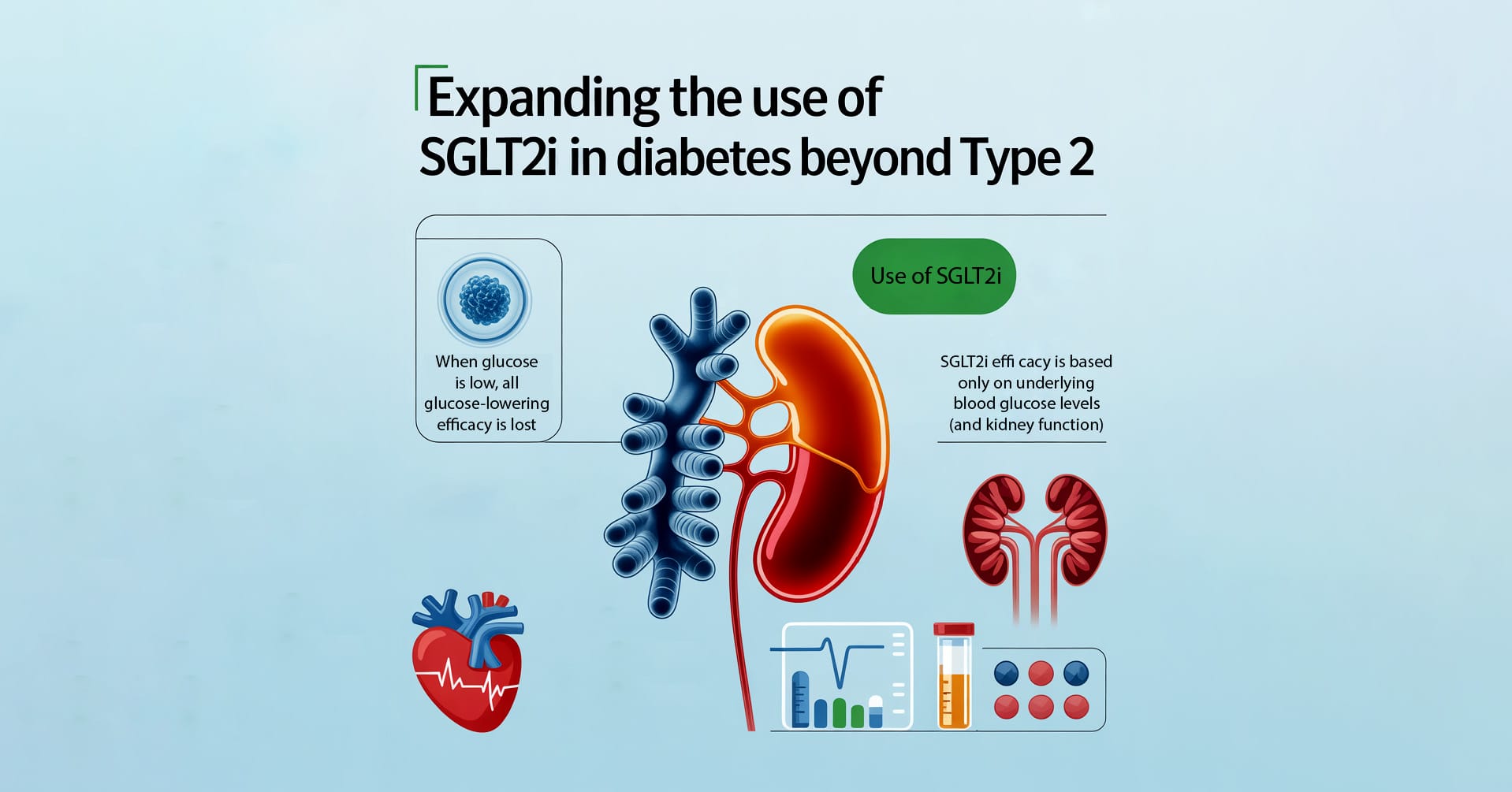
Expanding the Use of SGLT2i in Diabetes Beyond Type 2

Diabetes in totally pancreatectomized patients is notoriously difficult to manage. They not only are insulin dependent (like patients with type 1 diabetes [T1D]) but also lack pancreatic glucagon. This is compounded by severe malabsorption (partially controlled with enzyme supplementation), rapid gastric emptying (due to the asportation of the lower part of the stomach and the duodenum) and, usually, a high insulin sensitivity. All these conditions cause rapid fluctuations between hyper- and hypoglycemia (brittle diabetes), with extremely severe hypoglycemic episodes, worsened by the lack of any glucagon response.

Baekdal et al., in the study published in this issue of Diabetes Care, used a standardized 3-h mixed-meal test to investigate the glucoregulatory effects of the sodium–glucose cotransporter (SGLT)2 inhibitor (SGLT2i) empagliflozin in pancreatectomized patients and matched healthy control individuals, while also evaluating the effect of SGLT2 inhibition on glucagon, other hormonal secretions, and glucose fluxes in the two groups. They found that empagliflozin, administered the day before and immediately before a standardized liquid mixed-meal test, improved postprandial glucose tolerance and, more importantly, normalized fasting glucose concentration in pancreatectomized patients – a result that is rather difficult to achieve solely with basal insulin, due to the obvious risk of hypoglycemia.

SGLT2i are a relatively new class of drugs that promote urinary glucose excretion, among other effects. The SGLT2i empagliflozin is indicated in patients with type 2 diabetes to improve blood glucose control, decrease the risk of cardiovascular adverse events, and curtail the risk of cardiovascular mortality, and, also in patients without diabetes, to reduce hospitalizations for heart failure and chronic kidney disease progression. Since the glucosuric effect of SGLT2i is based only on underlying blood glucose levels and kidney function (glomerular filtration rate), SGLT2i-induced glucosuria increases with hyperglycemia but decreases with approaching hypoglycemia. Further, SGLT2i (including the dual SGLT inhibitor sotagliflozin) do not inhibit renal SGLT1, which becomes sufficient to reabsorb virtually all the filtered glucose when glycemia is low. That is, SGLT2i are a unique class of hypoglycemic drugs that lose all their glucose-lowering efficacy in presence of hypoglycemia. This makes them an ideal companion to insulin, as they act as a jump cushion, blocking the drop of glycemic levels, and favoring improved glucose control, as the study by Baekdal et al. suggests.

While this is a pivotal study in pancreatectomized patients, the jump cushion effect of SGLT2i has already been demonstrated in patients with T1D, who share the common feature of insulin deficiency. Many clinical trials using various SGLT2i in T1D have shown reduced HbA1c and lower glycemic variability and increased time in range, as well as reductions in weight and insulin dose without a greater incidence of hypoglycemia, but at the cost of an (unacceptable?) increase of ketoacidosis episodes. Diabetic ketoacidosis (DKA) in T1D occurs when insufficient insulin is administered, e.g., when doses are skipped or substantially reduced (mostly due to fear of hypoglycemia), during illness requiring more insulin or when an insulin pump fails. Often, when an insulin-treated patient is started on SGLT2i, the consequent reduced glucose levels push the patient to inappropriately reduce or skip insulin doses, which becomes the main trigger leading to DKA in T1D.

However, Peters et al. investigated the incidence of DKA in patients with T1D from the inTandem1 and inTandem2 trials using sotagliflozin as an adjunct to insulin. They found that the overall occurrence of DKA with sotagliflozin was <4%, (but higher than with placebo) and that implementation of a DKA mitigation plan (i.e., patient education and close monitoring) reduced DKA episodes. More importantly, the inTandem trials have shown that the use of sotagliflozin is associated with a decrease in overall hypoglycemias at all HbA1c levels. In other words, the number of episodes of hypoglycemia in patients with HbA1c of 7.5% was the same as that in patients with HbA1c of 6.5%, thus reducing the burden of hypoglycemia in the attempt to improve glucose control. As Baekdal et al. themselves remark in their discussion, recent phase III trials have shown that the SGLT2i dapagliflozin in adjunct therapy with insulin has positive effects in patients with T1D leading to weight loss and improved glycemic levels with diminished insulin requirements. These results induced the European Medicines Agency to approve dapagliflozin in adjunct to insulin for treatment of T1D, and, although in 2021 the manufacturer withdrew the T1D indication for the drug due to fears that required changes to labeling would cause confusion among doctors prescribing it, it is now often used off-label for treatment of these patients. Currently, patients with T1D with heart failure or chronic kidney disease cannot be prescribed SGLT2i, even if their risk for these diseases is high.

In the abovementioned phase III trials, SGLT2i treatment was linked to a small but significant risk of DKA; however, recently in a real-life evaluation of that risk in T1D subjects over 222 patient-years of SGLT2i use investigators observed that the incidence of DKA was 0%. Earlier this year, in another real world study, Anson et al. compared SGLT2i with glucagon- like peptide 1 receptor agonist (GLP-1 RA) therapy as adjunct to insulin in T1D and concluded that the increased risk of DKA in the SGLT2i group, and associated hospitalization, was less than the increased rate of any-cause hospitalization in the GLP-1 RA group, suggesting that SGLT2i therapy may be more beneficial as an adjunct therapy for T1D patients.

In pancreatectomized patients, the risk of DKA is even less frequent due to the absence of pancreatic glucagon secretion. This lack of pancreatic glucagon makes these patients ideal candidates for treatment with SGLT2i adjunct therapy, which stabilizes the brittle diabetes condition. In these patients, in fact, SGLT2 inhibition is useful not so much to reduce HbA1c, already reduced by insulin, but, rather, to decrease hypoglycemia. SGLT2i normalize fasting glycemia, and their jump cushion effect makes it difficult for glycemic levels to plummet. The focus, therefore, should be not on the insulin-sparing but, rather, on the hypoglycemia-reducing effect of SGLT2 inhibitors. Failure to authorize the use of SGLT2i in such patients means not only missing out on the great advantages of glycemic stabilization and reduced risk of severe hypoglycemia but also on the significant cardio-renal benefits.


Andrea Giaccari

मञ्जुको संघर्षको यात्रा

मञ्जुलाई आज पनि ताजै लाग्छ त्यो दिन जुन दिन उनी पहिलो पल्ट आमा बनेकी थिइन्, उनकी प्यारी छोरी सानू जन्मिएको दिन, उनको हृदयमा अपार खुशी र उत्साहको लहर छाएको थियो । घर भरि नै हर्सोल्लासको वातावरण थियो र हुन पनि किन नहोस् उनको परिवारमा दुई पुस्तापछि मात्र छोरीको आगमन भएको थियो । मञ्जुको आँखामा खुशीका आँशु थिए र उनको मुहारमा मुस्कान टल्किरहेको थियो । सानूको आगमनसँगै मञ्जुको जीवनमा नयाँ रङ्ग थपियो । हरेक बिहान सानूको मीठो मुस्कानले मञ्जुको दिन सुरु हुन्थ्यो र हरेक रात सानूलाई लिएर सुत्दा उनको हृदय खुशीले भरिन्थ्यो । सानूको हेरचाह र पालनपोषण गर्दै मञ्जुको दिन बित्न थाल्यो । हरेक दिन नयाँ अनुभव र सिकाइको यात्रा थियो ।

समय बित्दै गयो र हेर्दाहेर्दै सानू १८ महिनाकी भइसकेकी थिइन् । तर मञ्जु र उनका पति रामले आफ्नो छोरीमा केही अनौठो व्यवहार देख्न थाले । सानू चुपचाप रहन्थिन्, अरु बच्चाहरूसँग खासै रमाउन सक्दिन थिइन् । आँखामा आँखा हेरेर बोल्न सक्दिन थिइन् र आफ्नो विचारलाई शब्दमा व्यक्त गर्न निकै कठिनाई महसुस गर्थिन् । सुरुवाती दिनमा मञ्जुलाई सानूको व्यवहार सामान्य नै लाग्थ्यो । उनी सोच्थिन्, हरेक बच्चा फरक हुन्छ, सानू पनि आफ्नै गतिमा बढ्दै छिन् । तर जब अन्य बच्चाहरूको तुलनामा सानूको विकासमा ढिलाई हुन थाल्यो, मञ्जुको मनमा चिन्ताको बीउ उब्जियो । उनी सानूको भविष्यलाई लिएर चिन्तित रहन्थिन् । यसै क्रममा मञ्जुले आफ्नो छोरीको व्यवहारको बारेमा साथीहरूलाई भन्न थालिन् । उनको मिल्ने साथीको देवरको बच्चालाई पनि सानूको जस्तै लक्षण देखिएको र डाक्टरसँग परामर्श लिंदा अटिजम स्पेक्ट्रम डिसअर्डर (ASD) भएको बताइएको कुरा सुनिन् । यो सुनिसकेपछि मञ्जुको मनमा अनेकौं कुरा खेल्न थाल्यो । मञ्जुले सानूलाई लिएर डाक्टरकोमा गइन् । त्यहाँ एक विशेषज्ञले सानूलाई अटिजम स्पेक्ट्रम डिसअर्डर नै भएको पुष्टि गर्नुभयो । यो खबर सुन्दा मञ्जुको संसार नै थर्किए जस्तो भयो । उनको आँखाबाट आँसुको धारा बग्न थाल्यो र उनको मुटु टुक्रा–टुक्रा भए जस्तो महसुस भयो ।

मञ्जु र रामको लागि यो समाचार एउटा काहालीलाग्दो सत्य थियो । यो समाचारले उनीहरू दुबैजनालाई असुरक्षित र चिन्तित बनायो । मञ्जुको मनमा अनेकौँ प्रश्न उठ्न थालेः कतै मेरो कारणले पो सानूलाई यस्तो भएको हो कि ? मैले गर्भावस्थामा केही गलत गरे कि ? सानूको भविष्य अब कस्तो होला ? यी प्रश्नहरू उनको दिमागमा निरन्तर आइरहेका थिए र हरेक प्रश्नले उनको हृदयमा पीडा थपिरहेको थियो । तर मञ्जुले आफ्नो बच्चाको लागि हिम्मत जुटाएर अघि बढ्ने निधो गरिन् । उनले अफैलाई भनिन्, म सानूको लागि जे पनि गर्न तयार छु । हामी यो चुनौतीलाई सँगै मिलेर सामना गर्नेछौँ । मञ्जुले छोरीको जीवनलाई साँच्चिकै सुमधुर जीवन बनाउनु छ भन्ने संकल्प र अठोट गरीन् ।

मञ्जुले विभिन्न डाक्टरहरूको सल्लाह लिइन् र काठमाडौँका विभिन्न अटिजम विशेषज्ञहरुलाई भेट्न थालिन् । यो यात्रामा, मञ्जुले अटिजमको बारेमा धेरै कुरा सिकिन् । उनले बुझिन् कि अटिजम एक न्युरोडेभलपमेन्ट डिसअर्डर हो जसले व्यक्तिको सामाजिक अन्तरक्रिया र व्यवहारलाई असर गर्छ । अटिजम भएका बच्चाहरूले सामान्यता अरुसँग सम्पर्क गर्न, भावना व्यक्त गर्न र आँखामा हेरेर कुरा गर्न कठिनाई महसुस गर्छन् भन्ने कुरा मञ्जुले बुझिन् । यो सिकाइको यात्रामा मञ्जुले आफूमा एक नयाँ शक्ति र प्रेरणा पाइन् । उनले बुझिन् कि सानूलाई देखिएका लक्षण नै अरु अटिजम भएका बच्चालाई देखिन्छ भन्ने हुँदैन । प्रत्येक बच्चामा अटिजमका लक्षणहरू फरक हुने भएकोले नै यसलाई स्पेक्ट्रम भनिन्छ । यो ज्ञानले मञ्जुलाई सानूको विशेष आवश्यकताहरुलाई बुझ्न र स्वीकार गर्न मद्दत गर्‍यो ।

मञ्जुलाई अटिजम के कारणले हुने रहेछ र यो सानूलाई नै कसरी र किन भयो भन्ने प्रश्नले बारम्बार सताइरहेको थियो । उनले थाहा पाइन् कि यो वंशानुगत पनि हुन सक्छ, तर मञ्जु र रामको परिवारमा कसैलाई यो रोग भएको नै थिएन । त्यसबाहेक, गर्भावस्थामा बच्चाको मस्तिष्कको विकासमा कुनै असामान्यता आएको खण्डमा वा गर्भावस्थामा आमाको स्वास्थ्य, औषधि सेवन वा भाइरल संक्रमणहरूले पनि बच्चामा अटिजमको जोखिम बढाउँदो रहेछ । केही अवस्थामा बच्चाको जन्मसँगै आएका जटिलताहरू जस्तै समय भन्दा पहिले जन्मिनु वा जन्मेको समयमा भएको अक्सिजनको कमीले पनि अटिजमको जोखिम बढाउन सक्दो रहेछ ।

यही कारणले गर्दा आफ्नो छोरीलाई अटिजम भएको हो भन्ने पत्ता लगाउन नसकेपनि मञ्जुले अब सानूको जीवन कसरी सहज बनाउने भन्ने तिर लागिन् । उनले सानूको उपचार र हेरचाहमा निकै समय बिताउन थालिन् । मञ्जुले धेरै नयाँ कुराहरु सिक्न थलिन्, जसले गर्दा सानूको जीवनलाई अझ सहज बनाउन सहयोग पुर्‍यायो ।

अटिजमको कुनै ठोस उपचार नभएको र विभिन्न थेरापीहरू मार्फत बच्चाहरूको विकासमा सहयोग पुग्छ भन्ने कुरा बुझ्दै बिस्तारै मञ्जुले सानूको संसारलाई बुझ्न थालिन् । उनले सानूसँग बढी समय बिताउन थालिन् । सानूले आफ्ना भावना र आवश्यकता शब्दमा व्यक्त गर्न कठिनाई महसुस गर्थिन्, त्यसैले मञ्जुले उनको शारीरिक भाषा र संकेतहरुलाई बुझ्ने प्रयास गरिन् । सानूको संकेत, रुचि र अनौठो व्यवहारहरूलाई अपनाउन थालिन् ।

मन्जुको यो प्रयासले सानूमा धेरै सकारात्मक परिवर्तन ल्यायो । यो सँग–सँगै, अटिजम भएका बच्चाहरूलाई सामाजिक र व्यवहारिक सीपहरू सुधार गर्न विभिन्न थेरापीहरू उपलब्ध हुने बारे मञ्जुले थाहा पाइन् र सानूलाई उक्त थेरापीहरूमा संलग्न गराइन् । बिहेभियर थेरापीले सानूको व्यवहारमा सुधार आउन थालेको छ । सानूले अब आफ्नो भावना व्यक्त गर्न थालेकी छन् र उनको आक्रामक व्यवहारमा कमी आएको छ । त्यसैगरी स्पीच थेरापीको मद्दतले सानूको जीवनमा परिवर्तन ल्यायो । पहिले मौन रहने सानू अब बिस्तारै बोल्न थालेकी छन् । एक दिन, अचानक सानूले आमा शब्द उच्चारण गरेको सुनेर मञ्जुको आँखाबाट खुशीको आँसु झर्‍यो । त्यो एउटा शब्दले मञ्जुको संघर्षको यात्रालाई सार्थक बनायो । त्यसपछि, सानूले बिस्तारै अरु बच्चाहरूसँग कुराकानी गर्न र खेल्न थालेकी छिन् । उनको पहिलो हाँसोले घरभरि खुशीको लहर ल्यायो । अकुपेशनल थेरापीले (जसले व्यक्तिलाई दैनिक गतिविधिहरुमा स्वावलम्बी बन्न मद्दत गर्छ), सानूको जीवनमा अर्को परिवर्तन ल्यायो । पहिले सामान्य दैनिक क्रियाकलापहरू गर्न नसक्ने सानू अब आफ्नो हेरचाह आफै गर्न सक्षम हुन थालिन् । एक दिन, सानूले पहिलो पटक आफै दाँत माझेको देखेर मञ्जु र राम दंग परे । त्यसपछि, सानूले आफै लुगा लगाउने र खाना खाने प्रयास गरेको देखेर उनीहरूको आँखा रसायो । हरेक सानो उपलब्धि एउटा ठूलो विजय जस्तै भएको छ ।

यी थेरापीहरूसँगै परिवारको निरन्तर समर्थन र सहभागिताले सानूको विकासमा अझ ठूलो भूमिका खेल्यो । मञ्जु र रामले घरमा पनि थेरापीका सिद्धान्तहरू लागु गर्न थाले । उनीहरूले सानूको लागि घरमा एउटा विशेष कक्ष बनाए, जहाँ उनी आफ्नो गतिमा सिक्न र बोल्न सक्थिन् । परिवारका सबै सदस्यहरूले सानूसँग कुरा गर्दा धैर्यता अपनाउन थाले र उनलाई प्रोत्साहन दिन थाले ।

यो यात्राले परिवारलाई एक अर्काप्रति अझ धेरै माया र साथ दिन प्रेरित गर्‍यो । उनीहरूले हरेक सानो प्रगतिलाई सँगै मनाउन थाले । आज, मञ्जु र राम सानूको सुन्दर भविष्यको लागी सँगै अगाडी बढिरहेका छन् । उनीहरू अब अटिजमलाई एउटा चुनौतीको रूपमा मात्र होइन, बरू एउटा भिन्न र विशेष क्षमताको रूपमा हेर्छन् । सानूको हरेक नयाँ शब्द, हरेक नयाँ हाँसो र हरेक नयाँ उपलब्धिले उनीहरूलाई थप प्रेरित गर्छ ।

मञ्जुको परिवारले अटिजमको यात्रामा नयाँ अर्थ र सुन्दरता भेट्टाएको छ जसले हामी सबैलाई प्रेम, धैर्य र दृढ संकल्पले कुनै पनि चुनौतीलाई जित्न सकिन्छ भन्ने पाठ सिकाउँछ ।

मनिका पराजुली (Pharmacist)

The Himalayan Health 2081

How Much Coffee Is Too Much? Experts Weigh In

When I was growing up, my grandparents had a small farm in the mountains of Puerto Rico. We called it the campo-the countryside and I loved roaming around on visits, plucking whatever was ripe right from the vine. There were mangoes, guavas, avocados, and more, but the crop that mesmerized me most was the coffee, which my grandfather would dry and roast right in the front yard. This coffee was unlike any I had tasted before: smoky and sweet, with a deep chocolate note. It was also much stronger than the coffee back home. “Just a little bit, chica,” my mother would advise. She warned that drinking more than one cup could induce temporary delirium, even in grown men. This seemed like a stretch-but it was enough to instill a lingering awe.

It’s no secret that too much coffee, campo grown or not, really can have unpleasant side effects. “Consuming excessive coffee or caffeine can lead to anxiety, insomnia, gastrointestinal problems, tremors, or jitteriness,” says Michael Hartman, PhD, a nutrition scientist and human-performance expert. Side effects can also include heart palpitations or irregular heart rhythms. And it turns out my mother might not have been exaggerating the trippy power of my grandfather’s infamous coffee: A clinical study suggests that overdoing it on caffeine can induce hallucinations, paranoia, and delusions in otherwise healthy individuals-although it’s worth noting that some scientists dispute these occurrences as mere coincidence.

Regardless, coffee definitely has two very distinct qualities-it can either inspire pleasure or inflict pain. But where’s the line? How much coffee is actually too much?

The benefits of drinking coffee

“High-quality coffee can provide a boost in nutrients, particularly from an antioxidant standpoint,” says Kylene Bogden, a registered dietitian nutritionist. Those antioxidants may lower the risks of disease, particularly type 2 diabetes, cardiovascular conditions, and even some cancers. Plus, coffee also contains bioactive components-like chlorogenic acids, polyphenols, and caffeine-which can impact the body’s metabolic health for the better. “Chlorogenic acids can lower blood glucose levels by inhibiting glucose production and absorption in the intestines,” explains Dr. Hartman, who adds that “caffeine can enhance resting metabolism and fat burning, potentially helping to prevent weight gain.” There are even potential benefits for the brain: Studies suggest that coffee’s polyphenols may have neuroprotective properties, which could guard against neurodegenerative diseases by reducing oxidative stress.

And let’s not forget that drinking coffee can also be one of life’s great delights. “Many of us love coffee for its intoxicating aroma or because it’s a sensual ritual that gets us up and out every day,” Dr. Hartman says. Those aren’t small things, either: Scientists say that participating in daily rituals- like drinking a morning cappuccino while journaling, perhaps-can soothe uncertainty and anxiety. Other studies have found that merely inhaling coffee’s distinct aroma can inspire feelings of joy, alertness, and positivity. “Regular coffee consumption may indeed offer health benefits,” says Dr. Hartman.

There is a limit to how much coffee you should consume

Still, there is a limit. According to the Food and Drug Administration, that limit is 400 mg of coffee-around four to five 8-ounce cups of brewed coffee. That’s the maximum recommended amount of coffee anyone should consume in a day to avoid adverse effects-but it’s not definitive: The right amount of coffee for you depends on your individual metabolic rate, overall health, and sensitivity to caffeine. “It really differs from person to person,” Bodgen explains. “Not everyone can effectively digest and metabolize caffeine.”

If you’re someone who generally has trouble falling asleep or staying asleep, you may want to avoid caffeine and other stimulants altogether-or, at the very least, stick to drinking coffee early in the day. Studies have found that consuming even small amounts of caffeine up to six hours before bed can have a significant impact on your ability to fall asleep and contribute to insomnia. “Individuals who experience sleep disturbances or are pregnant may want to limit their coffee consumption,” Hartman says. The same goes for those who have heart concerns or nutritional deficiencies: “Ingesting more than four to five cups daily, which equates to over 500 to 600 mg of caffeine, could elevate the risk of cardiovascular issues, particularly high blood pressure,” Dr. Hartman warns. “There’s also concern that higher coffee intake may amplify the likelihood of bone fractures-especially if calcium intake is insufficient.”

Even if you’re otherwise healthy, there’s still reason to proceed with caution. As mentioned above, the side effects of too much coffee include everything from increased anxiety to changes in bowel function to the jitters, so it’s definitely a good idea to be aware of your personal limit. For me, two cups of coffee is the absolute max-anything more than that makes me edgy, fidgety, and nauseous. “That wired feeling is typically caused by inflammation,” Dr. Hartman explains. “It’s from a spike in cortisol and insulin that can last up to 24 hours.” A full day of extra inflammation, a known accelerator to aging and other health risks? That’s enough to encourage you to give that casual afternoon coffee break a second thought. Or, at the very least, inspire you to replace some of your coffee intake with a nice herbal tea.

How to stop a caffeine spike and crash

If you do accidentally end up overdoing it on cappuccinos, espresso, and latte or black tea, matcha, and energy drinks, all of which also contain caffeine- there’s hope. Yes, it might take up to 24 hours for your cortisol and insulin to stabilize, but it’s also likely that you’ll start to feel better within four to six hours. To ensure that happens, flush your system by drinking plenty of water, and if you’re experiencing an upset stomach, or, worse, overstimulated bowels-you can increase hydration and counteract coffee’s well-known diuretic effects by sipping beverages that contain electrolytes, like coconut water. Just be sure you’re not inadvertently adding more caffeine to the mix: Protein bars, chocolate, and even some cereals can contain sneaky-high levels of the stuff, so take a second to check the labels on your snacks-or, better yet, stick to fruits and veggies, which also have a hydrating effect.

To calm a caffeine-induced frenzy, you can also try some tried-and- true mindfulness techniques, like deep breathing, meditation, and visualization-all of which have been proven to soothe the nervous system, relieve anxiety, and quell insomnia. And don’t neglect the healing powers of taking a good old-fashioned walk. Just remember to keep it mellow-the point is to slow your heart rate down and relax, not amp yourself up further. Stroll where you can be surrounded by trees, plants, or water-spending time in nature has been scientifically proven to lower cortisol levels and blood pressure, reduce flight-or-fight instincts, slow the heart rate, improve mood, and reduce anxiety.

When you do finally recover, it’s also worth remembering my mother’s advice the next time you’re pouring yourself a cup: “just a little bit.” Moderation is always a good policy when it comes to anything that can induce pleasure or pain-coffee included.


By Christina Pérez

Source: vogue.com

Does Cold Weather Affect Arthritis?

Finding the right arthritis treatment plan is important any time of year, but especially during cold winter months when pain is even worse.

Arthritis and Cold Weather

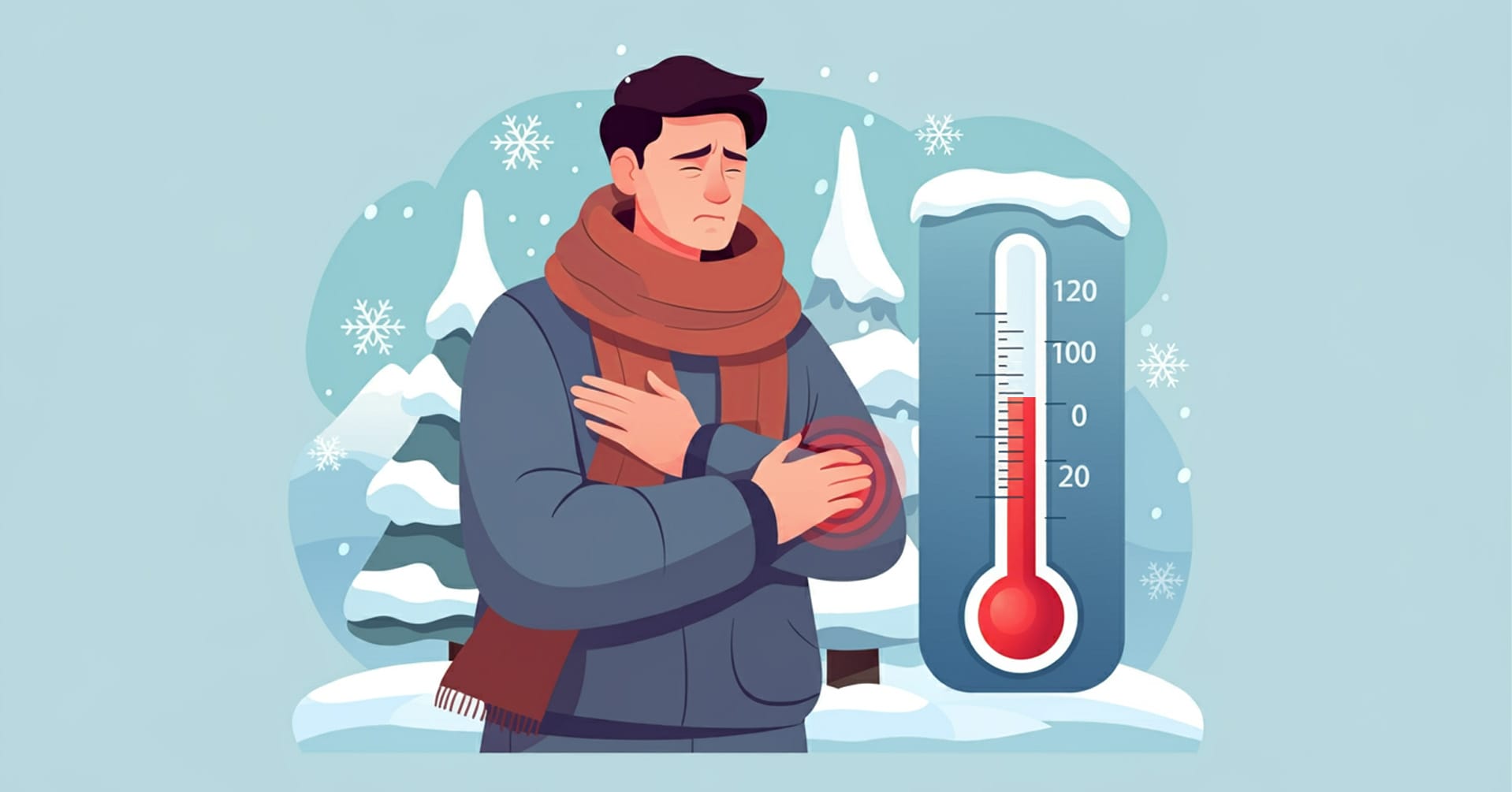
Does cold weather truly make arthritis worse? Yes, it isn’t just your imagination. Arthritis pain feels worse in colder weather due to changes in barometric pressure that negatively impact joints. Barometric atmosphere pressure can be described as the weight that the atmosphere puts on objects.

As this pressure fluctuates during winter months, our tissues begin to expand and contract. As our tissues expand, increased pressure is put onto our nerves. This can lead to heightened pain signals that result in joint pain.

Symptoms of Osteoarthritis and Rheumatoid Arthritis

Many patients brush off arthritis symptoms during the winter months or mistake them for something else. Symptoms of osteoarthritis and rheumatoid arthritis include pain and stiffness, joint damage, swelling and fatigue. If you experience these signs, know that you don’t have to suffer. There are many effective treatments for people with rheumatoid arthritis and other forms of this disease.

Tips to Manage Winter Arthritis Pain

You don’t have to struggle with arthritis pain any time of year. Follow these tips to prevent inflammation and joint pain both during the winter season and year-round.

Stay warm with extra layers

A great way to minimize joint pain during winter months is to avoid the cold and layer up. Use thick gloves to add extra protection to your hands when spending time outdoors. Additional layers of clothing around your hips, knees and elbows can also protect your joints from the cold.

Keep a healthy diet

Certain foods may put you at a higher risk of joint pain during the winter season. Avoid sugary, processed, fatty and fried foods. Instead, try to incorporate foods like fish, leafy greens and nuts to help soothe your joint pain and reduce inflammation.

Get your vitamin D

Along with a healthy diet, certain supplements can help reduce arthritis pain. One of these is vitamin D. During winter months we are exposed to less natural sunlight, which can lead to low vitamin D levels. Patients with arthritis tend to have more severe pain when vitamin D levels drop. Add vitamin D to your diet through foods like salmon, sardines or fortified cereal, or by taking a supplement.

Avoid stress

Stress is never good for our bodies, especially when dealing with joint pain. Refrain from overworking your body while shopping, cooking or engaging in other strenuous winter activities. Keep your stress levels down by taking walks, attending yoga classes, spending time with family or children, or even listening or dancing to music. Find ways to slow down to prevent overexertion.

Stay active

Physical activity is one of the best ways to manage your arthritis and joint pain. Getting sufficient exercise can not only boost your energy, but it can also increase strength and flexibility and minimize painful symptoms. The Arthritis Foundation encourages all patients who struggle with the condition to engage in approximately 150 minutes per week of low-intensity aerobic activities. This could include brisk walking, water aerobics, cycling and more. Make it your resolution to get active.

Treatments to Prevent Arthritis Pain All Year Round

There are many treatments for arthritis that have proven to be effective no matter the time of year. For many patients treating rheumatoid arthritis, we recommend IV infusion therapy to reduce inflammation and other painful symptoms of rheumatoid arthritis with the active drug Rituximab. DMARDs are the most commonly prescribed medication by our arthritis treatment center. The disease-modifying anti rheumatic drugs get to the root of the problem and stop the progression of arthritis. DMARDs are highly effective in relieving joint pain and inflammation.

Maintaining a healthy diet and consistent exercise regimen is also crucial in managing arthritis symptoms year-round. The most important step in developing a personalized treatment plan is to find the right doctor who will ensure you have the correct diagnosis.


Source: arthritisjax.com

Why More Nepalese Are Seeking Mental Health Help (And How)

Thanks to social media, mental health care in Nepal is surging. And that means a big uptick in another online trend – counseling.

Kathmandu, Nepal – Kaili was diagnosed with depression two years ago. Her symptoms had begun to worsen during the coronavirus pandemic. When it first broke out, Kaili, now 32, was forced to live alone in Victoria, Australia, while her husband was stranded in Nepal for over a year, unable to return home due to a lockdown. Their marriage suffered, even upon his return, and Kaili found herself contemplating suicide.

“I told a friend about it. I asked for help,” she says in an interview over Viber, a calling app. She requested she only be referred to by her nickname due to stigma surrounding mental illness. She also confided in her mother-in-law, who lives in Nepal.

Mental health is often brushed under the carpet in Nepal, but Kaili’s mother- in-law (who also chose to withhold her name to preserve Kaili’s anonymity) did not react this way: An avid social media user, she had been evangelized on its importance through videos on Facebook and TikTok. Instead, she urged Kaili to seek professional help. “I am far away from her; I cannot be there to help, but I can give suggestions,” the older woman says. “So, I suggested that she consult a counselor.”

More than 10% of adults in Nepal suffer some form of mental distress, according to the most recent national mental health survey. A decade-long civil war that ended in 2006 and an earthquake that jolted the country in 2015 partly explain these high rates; the coronavirus pandemic also worsened matters, with police data indicating rising suicides during 2020. Awareness is also increasing, however. More and more people are sharing their struggles online, chipping away at longstanding stigma, and psychologists who offer online services report an uptick in clients – within the country and from Nepalese based abroad, such as Kaili.

Kaili first sought help from a non- Nepali psychologist in Australia. “I cried many times during counseling because I didn’t understand what was being said,” she says. Culture, rather than language, was the barrier. “They used to say that if you are not happy, just give up on the marriage rather than keep trying. They had no idea what the consequences of giving up would be.” With her mother-in-law’s support and assistance, Kaili began online counseling with a Kathmandu- based psychologist. Ten sessions in, she says her symptoms are improving.

Politician and activist Ranju Darshana, who rose to national fame in 2017 when she contested Kathmandu mayoral elections, is one example of someone using her platform to destigmatize mental illness in Nepal. The 27-year-old speaks openly about her own struggles with depression and how much she has benefited from psychological counseling. “My life is fantastic now,” she says. When she contested parliamentary elections in 2022, mental health was at the forefront of her electoral agenda. She hosts a mental health podcast and has also produced six YouTube shows, hosting conversations with other well- known figures, such as a former Miss Nepal International who revealed her own struggles with mental health.

Darshana would like to make more videos, she says, but not enough people are willing to talk about their mental health on camera. Since 2020, she has also spearheaded an online gathering on Zoom – “Mental Health Mondays” – where young people can vent, commiserate and share their experiences.

Niru Khadka, a well-known Nepali comedian, has been similarly vocal about her mental health‚ particularly her depressive tendencies, which emerged in the wake of the 2015 earthquake. “Through meditation,” she says, “I not only found a foundation for living but also learned the art of living.” Last year, she shared her experience of depression through poetry on TikTok; the reel received over half a million views. She also often conducts meditation sessions for students.

Such efforts have helped foment a better understanding of mental health, says psychologist Sita Lama, who works at Mankaa Kura, which provides online therapy to Nepali clients.

Prerana Dahal, a Kathmandu-based psychologist who works with young clients in Finland, Germany, Australia and the United States, says cultural and linguistic familiarity compels overseas Nepalis to seek therapists back home. “Adjustment issues, relationship issues, an inferiority complex due to not having fair skin, and financial hardship have created mental problems for Nepali youth studying abroad,” says Dahal.

Therapy in Nepal is relatively cheaper, adds Bharat Gautam, who works with Transcultural Psychosocial Organization Nepal, a mental health nongovernmental organization, which also has seen a rise in demand for counseling since the onset of the pandemic. Gautam, who sees 40 clients each month and has counseled 200 overseas Nepalese since 2020, also highlights another trend: counseling for Nepali couples where one spouse is based outside the country.

“I cried many times during counseling because I didn’t understand what was being said.” says KAILI. Young people who seek employment abroad often face extraordinary pressures, which can contribute to mental ill-health. Sometimes this manifests itself as paranoia and suspicion directed toward their wives back home, Gautam says, adding that he is often approached by women who are depressed because their husbands based outside of Nepal suspect them of cheating. “In such cases, we counsel both the doubting husband and the wife,” he says. Few Nepali men based abroad seek help on their own.

As awareness and demand for mental health services increases, however, health care infrastructure is straining to keep up. The government is trying to bridge the gap, says Phanindra Prasad Baral, chief of the mental health section at the Department of Health Services. “Our health workers have not been able to diagnose mental illness and bring it into our system,” he says. “So we are providing five-day training to health post paramedics, doctors and medical officers on the diagnosis and treatment of mental health services.”

Data from the Nepal Medical Council lists 244 people with a bachelor’s degree or higher in psychiatry; according to another estimate, the country has fewer than 200 psychiatrists and about 230 psychologists. Increasingly, they must cater not only to the millions of Nepalese in the country, but also to those seeking treatment from the farther corners of the world.

Yam Kumari Kandel is a Global Press Journal reporter based in Nepal.


By Yam Kumari Kandel

Source: globalpressjournal.com

5 Ways to Get Insulin Resistance in Check

Insulin resistance can lead to a host of health problems but it’s also reversible if you act. Here’s how:

Studies have confirmed it over and over again: Well over a third of adults in the United States are walking around with insulin resistance, a condition in which the body does not respond effectively to insulin and is unable to properly use glucose from the blood for energy.

The consequences to long-term health can be serious. Insulin resistance, which is thought to precede Type 2 diabetes by 10 to 15 years, has also been linked to an increased risk of heart attacks, strokes, nonalcoholic fatty liver disease, certain types of cancer and even an increased risk of depression and dementia.

If you are starting to notice outward signs of insulin resistance or have already tested positive for pre- diabetes, there’s still a good chance you can reverse the condition and prevent Type 2 diabetes by making some lifestyle changes right away.

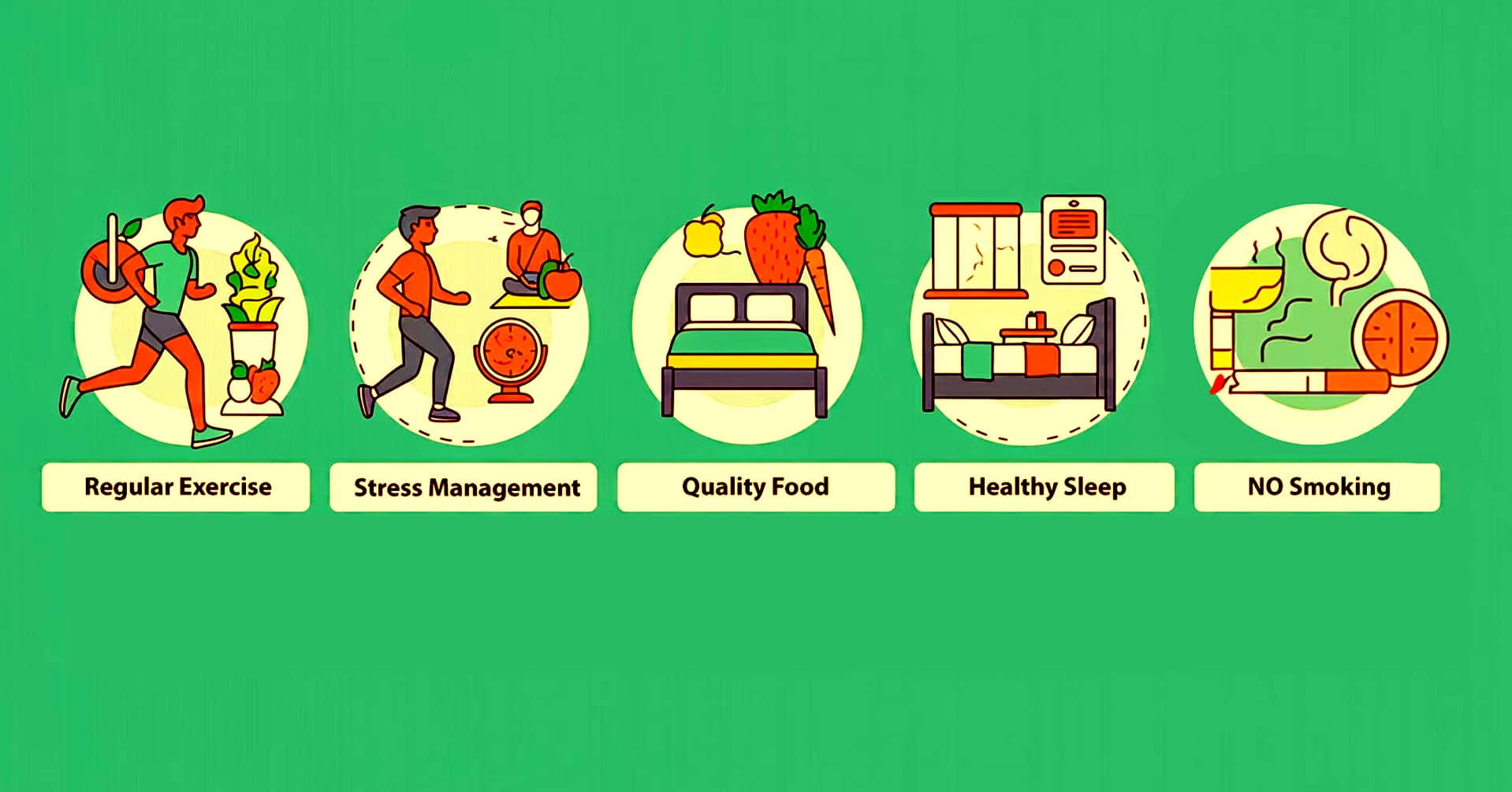
1. Move more.

Exercise is one of the most effective tools for reversing insulin resistance, said Dr. Gerald I. Shulman, a professor of medicine and co-director of the Yale Diabetes Research Center. In a small study of adults aged 19 to 44, Dr. Shulman and his colleagues found that just one 45-minute session of moderate-intensity exercise could improve insulin sensitivity; six weeks of regular exercise improved sensitivity by 40 percent. Because the benefits dissipate 48 to 72 hours after you stop, it is important to keep exercising regularly.

Making exercise a part of your routine also helps increase muscle mass and reduce body fat, both of which can affect how your body manages glucose and insulin, Dr. Shulman said.

Long-term studies funded by the National Institutes of Health have found that people who exercised and lost 5 to 7 percent of their starting weight significantly reduced their risk of developing diabetes.

Experts recommend aiming for 30 minutes of exercise a day. But that doesn’t have to be limited to going to the gym, lifting weights or running outdoors. Instead, you can add more physical activity into your day by taking two-minute breaks for movement, using stairs or turning your errands into exercise, said Dr. Ruchi Mathur, an endocrinologist at Cedars-Sinai in Los Angeles.

2. Make small dietary swaps.

One of the most well-studied diets that can reduce the risk of developing Type 2 diabetes is the Mediterranean diet, which prioritizes whole grains, fruits, vegetables, legumes, nuts and olive oil. But any low-carb or low-fat diet that is affordable and sustainable for you can help, said Dr. Mary Vouyiouklis Kellis, an endocrinologist at Cleveland Clinic. “The important thing is to eat more healthy vegetables, have enough fiber and protein in your meals and reduce refined sugar,” Dr. Kellis said. Some of the food you eat may still be carb-heavy, like many common dishes in Latin and South Asian cuisines. But with a few adjustments, like swapping whole wheat for refined flour or eating brown rice instead of white rice, you can continue to enjoy the foods you grew up eating, she said. Doctors also recommend that you pair fruit with nuts to limit the impact of natural sugars in fruits on your blood glucose levels. And avoid sodas, energy drinks and sweetened teas, Dr. Kellis said. Some research suggests that limiting snacks and late-night meals or shortening the window of time when you eat, as with intermittent fasting, can also improve your body’s insulin sensitivity.

3. Troubleshoot your sleep.

Some evidence indicates that sleep apnea, changing circadian rhythms during night shift work and not getting enough sleep in general can increase your insulin levels and hunger hormones. Additionally, having poor quality sleep can make you more likely to crave high-carb foods for energy. Aim for seven or more hours of sleep by making your bedroom a dark, quiet and cool environment. Remove electronic devices from your room and schedule some time to relax without screens before bed. You can also try reducing your caffeine and alcohol intake, which can affect your sleep quality.

4. Manage stress.

When you’re feeling stressed, your body releases more cortisol. Too much of the hormone can inhibit insulin production as a way of keeping glucose readily available for a “fight or flight” reaction. While stress can be unavoidable, you can learn skills to help manage it, including by reframing situations and leaning on your loved ones for support. Studies show that breathing exercises, yoga and meditation can also help reduce stress.

5. Quit smoking.

Nicotine and other chemicals in cigarettes can lead to inflammation in the body, increasing oxidative stress and changing cells so they don’t respond as well to insulin. When you stop smoking, your body’s insulin sensitivity eventually improves, though the risk of diabetes can be high for the first two years after quitting. That may partly be because people gain weight after they quit. Talk to your doctor about managing your weight and remember that smoking cessation may take several attempts. Combining the nicotine patch with either a nicotine gum or lozenge can improve your chances of success. There are also several apps and online resources that provide support and coaching, such as the free quitSTART app.


By Knvul Sheikh

Source: nytimes.com

Pulmonary Thromboembolism in COPD: The Silent killer

Introduction:

GOLD 2023 defines Chronic Obstructive Pulmonary Disease (COPD) as a heterogeneous lung condition characterized by chronic respiratory symptoms (dyspnea, cough, expectoration and/or exacerbations) due to abnormalities of the airways (bronchitis, bronchiolitis) and/or alveoli (emphysema) that cause persistent, often progressive, airflow obstruction. Chronic Obstructive Pulmonary Disease (COPD) exerts a significant clinical, social and economic burden globally. The global prevalence of COPD oscillates around 12% of the general population. COPD currently ranks as the 3rd cause of mortality in the world (responsible for 3 million deaths), just behind CVDs.

Epidemiology of COPD and Pulmonary Thromboembolism:

COPD has multiple extrapulmonary manifestations including widespread systemic inflammation, osteoporosis and musculoskeletal degeneration, coronary artery disease and increased risk of venous thromboembolism (VTE). Pulmonary thromboembolism (PE), in particular, is a dreaded and often underdiagnosed entity causing significant mortality and morbidity among COPD patients. COPD patients are thought at increased risk for venous thromboembolism (VTE) because of immobilization, heightened systemic inflammation, cigarette smoking, and venous stasis. Postmortem studies in COPD have found pulmonary embolism (PE) in 28%-51% of cases. PE is diagnosed by computed tomography (CT) angiography in 25% of individuals presenting with an unknown etiology for a COPD exacerbation. VTE in COPD has prognostic implications. Prevalence of VTE in COPD has direct correlation with mortality and need for mechanical ventilation. One study found significantly higher 1-year mortality in COPD exacerbation with VTE (61.9% vs. 31.8%, p=0.013). Another study showed increased duration of hospitalization and need for mechanical ventilation.

A large cohort of unselected COPD patients showed that a history of VTE was associated with higher oxygen use, a lower 6-minute walk distance, a worse quality of life, a higher frequency of exacerbations, and a higher smoking history. Additionally, those with a history of VTE were older, heavier, and more likely to have multiple medical comorbidities. These findings were reported in a retrospective cross- sectional analysis comparing smokers with worse airflow obstruction to nonsmoking controls and smokers with no or mild airflow. The COPD patients were older (mean age 68 vs. 63 years), and had a higher frequency of heart failure (35.5% vs. 12.9%), and immobility (53.5% vs. 43.3%, all p<0.0001) compared to those without COPD.8 The COPD individuals were more likely to die in the hospital and within 30 days of the VTE diagnosis. Tillebrand et. al. found that in 25% of 211 patients with severe COPD exacerbations without an identifiable cause, the exacerbations were actually related to PEs.

COPD in Nepal and local scenario of VTE/PE in COPD:

COPD is the most prevalent non-communicable diseases (NCDs) in Nepal, with 12% prevalence in adults. In 2016, nearly one million Nepalese people were suffering from COPD, twice as many as in 1990. Although a large-scale study on VTE and PE among COPD patients in Nepal is lacking, we can safely assume that the prevalence of VTE and PE is fairly high. It is a sad fact that often such catastrophic events are undiagnosed, underdiagnosed and unreported. Looking at the number of COPD patients who die in the community and present as dead-on arrival to the hospital with history of sudden collapse, we can assume that many of these patients have a diagnosis of VTE/PE including cerebrovascular accidents (CVA) and acute coronary events.

Management of VTE/PE in COPD:

Acute PE in patients with Acute Exacerbation of COPD (AE of COPD) is usually difficult to diagnose clinically because the clinical manifestations of these two diseases are often similar. PE manifests as shortness of breath, chest tightness, chest pain, and hemoptysis, and is often accompanied by hemodynamic instability such as hypotension and hypoxia. COPD patients with PE are less likely to develop cough, dyspnea, and syncope, whereas COPD patients who are prone to developing PE complications are often associated with lower extremities thrombosis. In patients with AECOPD of unknown cause, pleural chest pain and heart failure are more strongly associated with PE, while symptoms of respiratory infection are less frequent. Patients with AECOPD combined with VTE had higher D-dimer but lower hemoglobin levels than those without VTE.

The eosinophil level can be used as a biomarker to predict the risk of all-cause mortality in hospitalized patients with COPD exacerbation, and thromboembolism occurs relatively commonly in patients with hypereosinophilic syndrome. Eosinophilia can lead to multiple arterial and venous thromboses. Catalytic cytotoxic proteins found in eosinophils, such as platelet-activating factor and eosinophilic peroxidase, cause and intensify inflammatory reactions, harm cells, encourage blood coagulation, and cause tissue damage. In addition, eosinophil cells can store tissue factors (TFs), which are believed to be the main initiator of blood clotting. Glucocorticoid provided effective short-term control of hypereosinophilia to delay thrombosis. The symptoms and signs of PE are nonspecific. Patients who experience dyspnea, chest discomfort, syncope, or hemoptysis-symptoms that characterize most COPD cases- should be closely watched for the possibility of PE. PE, however, can occasionally be identified while a patient is being examined for another illness or may present with no symptoms at all.

Elevated D-dimer can only be used to rule out a diagnosis; it does not confirm the diagnosis. Acute PE can be excluded if D-dimer <500 μg/L. By using the D-dimer test in conjunction with the Simplified Geneva Score pre-test, diagnostic accuracy can be increased. Studies have also shown that albumin (P = 0.0002) and RDW (P = 0.0446) significantly correlates with the occurrence of acute PE. The combined diagnosis of albumin and RDW had the highest sensitivity and specificity, and the threshold was ≤3 g/dL, and >14 g/dL, respectively. End-tidal carbon dioxide (ETCO2) is also a meaningful indicator for the diagnosis of PE. When PE is diagnosed with a cut-off value of 34 mmHg, PE can be appropriately and reliably excluded when combined with clinical likelihood. The “gold standard” for diagnosis is selective pulmonary angiography, while computed tomography (CT) pulmonary angiography is the recommended imaging technique for suspected PE. Direct diagnosis is possible through indications that correspond to deficiencies in the filling of the pulmonary arteries; indirect diagnosis is possible through signs such wedge-shaped pulmonary fields, banded densities or discoid pulmonary opacities, dilatation of the central pulmonary artery, and decreased or nonexistent distal vascular branches. The other modality like ventilation/ perfusion single-photon emission computed tomography (V/Q SPECT) can be used as well which is useful for diagnosing both acute and chronic PE, and can be diagnosed when more than one subsegment shows V/Q mismatches representing anatomic lung units.

The cornerstone of PE treatment is anticoagulation, which not only successfully inhibits thrombus formation and relapse but also has the ability to facilitate the fibrinolytic system’s disintegration, which breaks down blood clots. Anticoagulant medication should be initiated as soon as acute PE is clearly diagnosed. Currently, the first-line treatment for PE is direct oral anticoagulant (DOAC), which can also be used to treat PE and COPD together. In the acute phase of high-risk PE with hemodynamic instability, unfractionated heparin (UFH) anticoagulation, including intravenous injection and systemic thrombolysis, should be used right away. One surgical option in the event of thrombolysis failure or contraindication is pulmonary embolectomy. According to study by Hara et al., DOAC should a be administered following a single intravenous injection of UFH to high- risk PE patients with large thrombus. According to the findings, patients had lower hospital stay duration and a higher rate of pulmonary artery thrombosis reduction at three to six months following treatment than the patients in the traditional treatment group. For patients with high risk of PE, inferior vena cava (IVC) filter implantation is an effective therapy option. In a multi-center retrospective analysis, 440,370 hemodynamically stable AECOPD patients complicated by PE were included and the findings indicated that IVC therapy can lower the absolute risk of death in patients over 50 by 2.1%.The death rate for those over 80 years of age fell from 14.4% to 9.1%.

Conclusion:

When PE is added to AECOPD patients, the mortality rate rises and PE is thought to be an independent risk factor for a bad prognosis. However, PE is more likely to be misdiagnosed or disregarded in COPD patients due to comparable clinical symptoms. Consequently, early anticoagulant therapy becomes crucial to the management of AECOPD patients in order to prevent thrombosis. Oral anticoagulants have been utilized extensively in the treatment of COPD exacerbated by PE in recent years. There should be a high index of suspicion for VTE/PE in COPD patients admitted with acute exacerbations and there should be no delay in diagnosis. After the diagnosis of PE in COPD patients is confirmed, immediate treatment with anticoagulants should be commenced. More research and resources are required to address VTE/PE in COPD patients, particularly in low and middle-income nations like our own where the disease is incredibly and tragically common.

Dr. Sabin Chaulagain
MBBS, MD, Fellow in Endocrinology,
Diabetes & Metabolism, Department of
Internal Medicine, SMAH

TAKING ON Surgical Challenges…

One working day at OCH, I was assigned the procedure duty along with a Consultant General Practitioner (MDGP) resident doctor. Dr John, our medical coordinator, was there for any support. We had just finished two orthopedic cases and were about to finish for the day when Dr. John told me that we had to do one more operation. An II-year-old girl had been referred from the district hospital in Rumjatar with a provisional diagnosis of ruptured appendicitis. Clinically, the patient had generalized peritonitis and an ultrasound report suggested gangrenous appendicitis. We proceeded to an emergency abdominal operation.

At this time, our surgeon was away, and our other senior doctor was on emergency leave. The operation lasted two and a half hours. We successfully removed the stuck down perforated appendix with some difficulty and washed out the pus from her abdomen. Her post-operative recovery period was extended by a superficial wound infection which we treated successfully. At discharge, the girl and her mother exuded relief and we could tell that happiness was restored by the smile on their faces.

Behind the story:

She was from Gaighat of Udaypur District in Province 1 (about 180 km away from OCH). She was in Okhaldhunga for the celebration of a festival at her uncle’s home along with her mother and younger sister. Her father was away in India to earn a living and visited them only once every two to three years.

After developing abdominal pain around the umbilical region with fever for three days, the pain moved into the appendix area and later become severe and generalized. Unable to tolerate such difficulty, she and her mother visited a local clinic where she was prescribed some pain killers and sent home. The pain worsened making them decide to visit the District Hospital. From there she was referred to our hospital.

She wants to be a soldier in future. I don’t know whether the scar on her abdomen will allow her to realize the dream. Anyway, I wish her good health and success in every step of her life.


Dr. Bijaya Dahal
(MO, UMN MDT)

ग्यासलाइटिँग (Gaslighting)

मेरो जीवनको एक क्षणमा मैले मेरो खुट्टामा चुइँगमको टुक्रा टौँसिएको फेला पारेको थिएँ । सुरूमा, चुइँगम मेरो जुत्तामा मात्र टाँसिएको थियो । त्यसैले मैले त्यसलाई धेरै वास्ता गरिन । त्यो चुइँगमलाई मैले जुत्ताबाट झट्काएर निकाल्ने प्रयास गरेँ तर त्यसपछि त्यो चुइँगम उछिट्टिएर मेरो कपालमा आई चिप्कीयो । चुइँगमको यो टुक्रा मेरो भूतपूर्व प्रेमीको रूपमा चिनिन्छ । यस्तो प्रेमी जसको नाम ठूलो स्वरमा सुन्न पनि गाह्रो हुन्छ । हाम्रो जीवनको क्रममा हामीले भेटेका धेरैजसो व्यक्तिहरूले हाम्रो जीवनकथामा खासै ठूलो भूमिका खेल्दैनन्‌ । प्रेम सम्बन्धहरू पनि कति आउँछन्‌ र जान्छन्‌ तर कुनै बेला केही बखतमा भने कोही न कोही आउँछन्‌, टाँसिन्छन्‌ र टाँसि रहन्छन्‌ । यो चुइँगम पनि त्यो मानिसहरू मध्ये एक थियो ।

अधिकाँश पहिलो प्रेमको जस्तै चुइँगमको लागि मेरो मनमा जुन प्रेम थियो त्यो सहज, निस्वार्थ, शंकाविहिन र कुनै भावनात्मक बोझबिहिन थियो । जब चुइँगमले मलाई “म तिमीलाई जिन्दगीभर माया गरिरहन्छु भनेको थियो, मैले उसलाई तुरून्तै विश्वास गरेँ र जवाफमा “म पनि तिमीलाई जिन्दगीभरको लागि चाहन्छु” भनेर जवाफ फर्काएको थिएँ । चुइँगम प्रतिको मेरो माया एकदमै चाँडै चुलियो । जब तपाईको मन कहिले टुटेको हुँदैन तब मायामा पर्न एकदमै सजिलो हुने रहेछ । चुइँगमसँग हुँदा मैले महसुस गरेको हरेक अनुभूतिहरूको भावनात्मक उचाई एकदमै उच्च थियो । मलाई लाग्दैन कि ती भावनात्मक उचाईहरूको महसुस अब म कहिले प्राप्त गर्न सक्छु । ती अतुलनीय भावनात्मक चढावहरू केवल पहिलो प्रेमसँग हुन्छ । त्यो यसप्रकारको उचाई हो जसलाई पछ्याउन मानिसहरू आफ्नो पुरा जीवन व्यतीत गर्न पछि हट्दैनन्‌ ।

कुल मिलाएर चुइँगम र म सायद ६ महिना सँगै थियौँ । मात्र ६ महिना, तर, यति नोक्शान ६ महिनामा हुन सक्ने रहेछ । यो ६ महिना पछिको वर्षहरूमा कुनै व्यक्तिको कारणले मेरो जीवनमा यस्तो स्थायी प्रभाव पार्न सक्छ भन्ने कहिले सोचेको पनि थिएन ।

चुइँगम र मेरो बिछोड शुक्रबारको दिन भएको थियो किनभने मैले त्यसपछिको अर्का ३ दिनसम्म मेरो सिरानीमा रूदै बिताएको थिएँ । यो एक यस्तो बिछोड थियो जसमा हाम्रो आपसी सहमति थियो । तर आपसी सहमति हुनुको मतलब यो कम विनाशकारी हुनु हैन । करिब एक हप्तासम्म रोएर समय बिताएपछि मैले सम्बन्धको गणित गर्न थाले । मैले निधो गरे की ६ महिनासम्ममा म यो पीडामाथि काबु पाउन सक्छु ।

६ महिनासम्म म विक्षिप्त भएँ । ६ महिनासम्म म हाम्रो सम्बन्धलाई लिएर दुखी रहें । शोकले आफूलाई विभिन्न मानिसहरूका लागि फरक रूपमा प्रस्तुत गर्दछ । मेरो लागि शोक सबै कुरा ठीक छ, जे हुन्छ राम्रो को लागि हुन्छ भन्ने बहानामा आयो । जबकी वास्तवमा यस्तो थिएन । म आफैलाई राम्रो महसुस गर्ने कोसिस गर्दै थिएँ । यदि मैले बाहिरी रूपमा ठीक काम गरे भने म भित्री रूपमा ठीक महसुस गर्न सक्छु जस्तो लाग्थ्यो । तर कार्यान्वयनमा म आफूलाई ठीक पार्ने उपलब्धीबाट पछि परी रहेँ ।

म जवान थिएँ र आउनेवाला ग्यासलाइटिंगलाई (Gaslighting) सम्हाल्नको लागि तयार थिइन । हाम्रो सम्बन्ध टुटेको दिन चुइँगमले एउटा सानो तर हानिकारक भावनाको बीउ रोपेको थियो । उसले भनेको थियो “म तिमीलाई सधैँभरि माया गर्नेछु तर तिमी माया पाउनको लायक छैनौ । अनि मैले जवाफ दिनु अघिनै उसले फोन काटिदियो ।

जसरी समय बित्दै गयो शंकाको बीउले जरो गाड्न थाल्यो । के चुइँगम सही थियो ? के म मायाको अयोग्य थिएँ ? के यो एक मात्र व्यक्ति थियो जसले मलाई माया गर्थ्यो ? जब तपाईंले माया गर्ने व्यक्तिद्वारा बारम्बार झुट बोलिन्छ, सत्यमा तपाईंको पकड कमजोर हुन्छ र पिडा हुन थाल्छ ।

६ महिना बित्यो तर मैले केही राम्रो महसुस गरिँन, मलाई अझै झन्‌ नराम्रो भैरहेको थियो । चुइँगम अझै ममा अडकिएको थियो वा सायद म नै थिएँ जो चुइँगममा अडकिएको थिएँ । जहाँ गए पनि मलाई हाम्रो सम्बन्धको याद आइरहन्थ्यो । रेडियोमा गाना सुन्दा, शहरको हरेक ठाउँमा जाँदा, सिनेमा हेर्दा ।

एक वर्ष, दुई वर्ष, ३ वर्ष बित्यो । मेरो मनमा चुइँगम निरन्तर आइरहने एक रूप थियो । हरेकचोटि जब म सोध्थे की म अगाडि भड़ही बढीसकेँ तर वास्तवमा म कहिले अगाडि बढ्न सकिन ।

चुइँगम भेट्नु अगाडिको त्यो खुशी र सुखी म, सधैँ रमाउने चुलबुले म, टाढाको सम्झना जस्तो देखिन्थ्यो । यति टाढाको मैले त्यसको अस्तित्व सम्झन सक्दिनँ ।

वर्षाै बित्दै गए, मैले नयाँ जागिर र नयाँ साथीहरू बनाएँ, नयाँनयाँ मानिसहरूलाई भेटेँ, नयाँ प्रेममा परेँ मैले आफ्नो जीवन बिताएँ र सतहबाट देख्दा म टुटेको छु भन्ने भान कसैलाई हुन दिइन । तर, त्यहाँ मन भित्र एक भाग थियो जसलाई थाहा थियो की चुइँगम अझै पनि त्यहीँ छ र यो सम्झेर मलाई रिस उठिरहन्थ्यो ।

ग्यासलाइटिंग (Gaslighting) के हो ?

ग्यासलाइटिंग (Gaslighting) मनोवैज्ञानिक दुर्व्यवहारको एउटा रूप हो । जसमा एउटा व्यक्तिले कसैलाई उनीहरूको विवेक, सम्झनाहरू वा वास्तविकताको धारणामा प्रश्न उठाउँछ । ग्यासलाइटिंग (Gaslighting) अनुभव गर्ने व्यक्तिहरू भ्रमित, चिन्तित वा आफूलाई विश्वास गर्न असमर्थ महसुस गर्छन्‌ ।

समस्या यो हो कि ग्यासलाइटिँग (Gaslighting) हानिकारक हुन्छ । यसमा हाम्रो सबैभन्दा ठूलो डर, चिन्तित विचारमा खेल्छ । जब कोही व्यक्ति जसलाई हामी भरोसा गर्छौ उसले एकदमै निश्चितताको साथ बोल्छ । विशेषगरी यदि उसको शब्दमा सत्यताको अंश छ भने उसलाई विश्वास नगर्न धेरै गाह्रो हुन जान्छ ।

ग्यासलाइटिँग (Gaslighting) बाट व्यक्तिमा मानसिक स्वास्थ्य सम्बन्धी समस्याहरूमा उत्पन्न हुन सक्छ । निरन्तर शंका र भ्रमले चिन्तारोग (Anxiety) को विकास हुन सक्छ । निराशा र कम आत्मसम्मानले डिप्रेसन निम्त्याउन सक्छ । Post Traumatic तनाव र सह- निर्भरता (Co-dependency) पनि ग्यासलाइटिँग (Gaslighting) को सामान्य रूप हो ।

यदी कोही पनि आफू Gaslighting को शिकार भएको महशुस गर्दछन्‌ भने मनोचिकित्सक वा मनोविश्लेषकको परामर्श लिन जरूरी हुन्छ, एक मनोचिकित्सकले Gaslighting बाट सिर्जना हुने मानसिक समस्याको पहिचान गर्न र त्यसबाट मुक्त हुनको लागि मद्दत गर्न सक्नुहुन्छ । थेरापिले आत्मविश्वास बलियो बनाउन, वास्तविकतामा आधारित रहन र आफ्नो लक्ष्यहरू पत्ता लगाउन मद्दत हुन्छ ।


By सन्जोग ढकाल (Pharmacist)

जाडोयाममा हृदयघातको जोखिम

जाडो मौसमको आगमन सँगै हामी धेरै खुशी हुन्छौं किनभने यस मौसममा चिसो र सफा वातावरणको आनन्द लिन सकिन्छ तथा घुमफिर गर्ने र अन्य धेरै रमाइला कुराहरू अनुभव गर्न पाइन्छ तर कतिपय व्यक्तिका लागि भने जाडोयाम चिन्ताजनक हुन्छ किनभने जाडोमा मुटुसम्बन्धी समस्या हुने सम्भावना बढी हुन सक्छ ।

बढ्दो चिसोसँगै हृदयघात लगायतका मुटुसम्बन्धी रोगको जोखिम बढ्ने गर्छ । यो कुरालाई धेरै अध्ययनहरूले पुष्टि गरिसकेको छ । २०१३ मा पबमेड सेन्ट्रलमा प्रकाशित एक अध्ययन अनुसार हृदय रोगको मौसमी परिवर्तनसँग स्पष्ट सम्बन्ध छ र जाडो महिनामा हृदय सम्बन्धी समस्या बढी हुने गर्छ । यो यथार्थ धेरै देशहरूमा गरिएको अध्ययनले पनि प्रमाणित गरिसकेको छ । त्यसैले पनि हृदयघात लगायतका मुटुसम्बन्धी रोग जाडोमा हुने मृत्युको कारक हुन सक्छ । जर्मनीमा भएको अध्ययन अनुसार हरेक २.९ डिग्री सेल्सियस तापक्रम घट्दा हृदयघातको संख्या ११ प्रतिशतले बढ्न सक्छ । एक अध्ययन अनुसार तापक्रममा प्रत्येक १ डिग्री सेल्सियस घट्नु भनेको कुनै पनि कारणबाट हुने मृत्युमा ०४९ प्रतिशतले वृद्धि हुनु हो भन्ने देखिएको छ ।

हृदयघात भनेको के हो ?

हृदयघात एक मुटुको रोग हो, जसमा मुटुमा रगतको आपूर्ति अचानक अवरुद्ध हुन्छ । सामान्यता मुटुमा रगत प्रवाह गर्ने धमनीमा बोसो वा रगत जमेर रगत सञ्चालन अवरुद्ध हुने गर्छ । रगतको प्रवाहको कमीले गर्दा मुटुको मांसपेशीको भागमा क्षति पुग्न सक्छ ।

हृदयघातका लक्षणहरू

हृदयघातका लक्षणहरू फरक-फरक हुन सक्छन्‌ । केही व्यक्तिहरूमा हल्का लक्षणहरू हुन सक्छन्‌ भने अरूलाई गम्भीर लक्षणहरू हुन सक्छन्‌ । कतिपय मानिसमा कुनै लक्षण नै नहुन सक्छ ।

  • छाती दुख्नु र भारी महसुस हुनु ।
  • जबडा, घाँटी, ढाड र एक वा दुवै हातमा दुखाई वा अप्ठेरो पन महसुस हुनु ।
  • सास फेर्न गाह्रो हुनु ।
  • वाकवाकी लाग्नु ।
  • थकान महसुस हुनु ।
  • हल्का टाउको दुख्नु वा अचानक चक्कर लाग्नु ।
  • पसिना आउनु ।
जाडोमा हृदयघातको जोखिम बढनुको कारण के हो ?

जाडोमा तापक्रम घट्दै जाँदा शरीरको तापलाई जोगाउन रगत प्रवाह गर्ने धमनीहरू साँघुरिन्छन्‌ जसले गर्दा रक्तचाप बढ्छ । साथै चिसोले हर्मोनल परिवर्तनहरू हुन्छन्‌ जसले मुटुको धड्कन बढाउँछ र मुटुमा भार पनि बढाउँछ यसले गर्दा मानिसमा हृदयघात हुने जोखिम उच्च रहन्छ । यसका अतिरिक्त जाडोमा कम पसिना आउने हुँदा शरीरमा पानीको मात्रा बढ्छ र रगतको मात्रा पनि बढ्छ जसले गर्दा रक्तचाप बढाउँछ । त्यसैगरी जाडोमा मानिस सक्रिय नहुने हुनाले मोटोपनले रगत बग्ने धमनीमा बोसो र रगत जम्ने जोखिम पनि उच्च रहन्छ । यसका साथै जाडोमा हुने रुघा तथा अन्य फ्लू जस्तो संक्रमणले शरीर सँगै मुटुलाई पनि कमजोर बनाउँछ । यी सबै कारक तत्वले गर्दा मुटुमा दबाब बढ्ने हुनाले हृदयघातको जोखिम जाडोयाममा उच्च हुन जान्छ ।

जाडोमा कसलाई बढी जोखिम हुन्छ ?
  • उच्च कोलेस्ट्रोल, उच्च रक्तचाप, मधुमेह भएका व्यक्तिहरू
  • एर्थरोस्क्लेरोसिस (Atherosclerosis) र मुटुको धमनीको रोग (Coronary Artery Disease) जस्ता हृदय रोग भएका व्यक्तिहरू
  • धूम्रपान र मद्यपान गर्ने व्यक्तिहरू
  • अधिक वजन भएका र शारीरिक रूपमा निष्कृय व्यक्तिहरू
  • वृद्धहरू
चिसोमा मुटुको उचित व्यवस्थापन गर्ने तरिकाहरू
  • न्यानो लुगा लगाउने र चिसोबाट बच्ने : बाक्लो पन्जा तथा मोजा लगाएर आफ्नो हात र खुट्टा न्यानो राख्ने र पसिना नआउने लुगा लगाउने । बाहिर निस्कँदा हावा प्रतिरोधी कपडा लगाउने ।
  • चुरोट र रक्सी सेवन नगर्ने ।
  • नियमित व्यायाम गर्ने तर अचानक भारी व्यायाम गर्नु भने हुँदैन ।
  • मुटुको वा अरू कुनै समस्या छ भने डाक्टरको सल्लाह बमोजिम व्यायाम तथा खानपान गर्ने ।
  • स्वस्थ खाना खाने जसमा प्रशस्त मात्रामा पानी पिउने र ताजा फलफूल र हरियो सागपात खाने तर कफी जस्तै पेय पदार्थ धेरै नखाने ।
  • रक्तचाप, कोलेस्ट्रोल र रगतमा ग्लुकोजको मात्रा अनिवार्य रूपमा नियन्त्रणमा राख्ने ।
  • नियमित स्वास्थ्य जाँच गराउने ।
  • मानसिक रूपमा स्वस्थ रहन बगैँचामा गोडमेल तथा चित्रकला जस्ता शौक र शारीरिक गतिविधिहरूमा संलग्न भई तनावलाई व्यवस्थापन गर्ने । यसका साथै घरमै योग र ध्यान गर्ने, राम्ररी सुत्ने र आफूले गर्ने कामको प्रकृतिलाई बुझेर आराम गर्ने ।


By अरबीन्द्र जोशी (Pharmacist)

रक्तअल्पता (Anemia)

रक्तअल्पता एक यस्तो अवस्था हो जसमा रातो रक्त-कोशिकाहरूको संख्या वा तिनीहरू भित्र रहेको हेमोग्लोबिनको मात्रा सामान्य भन्दा कम हुन्छ । शरीरमा अक्सिजन सञ्चार गर्नका लागि हेमोग्लोबिन आवश्यक हुन्छ र यदि धेरै, थोरै वा असामान्य मात्रामा रातो रक्त-कोशिकाहरू छन्, वा पर्याप्त मात्रामा हेमोग्लोबिन छैन भने, शरीरका तन्तुहरूमा अक्सिजन पुग्न गाह्रो हुने गर्दछ । यसले गर्दा थकान, कमजोरी, चक्कर लाग्ने र सास फेर्न गाह्रो हुने जस्ता लक्षणहरू देखा पर्दछ । शारीरिक आवश्यकताहरू पूरा गर्नको लागि अधिकतम हेमोग्लोबिनको मात्रा व्यक्तिको उमेर, लिङ्ग, बसोबास गर्ने स्थान, धुम्रपान गर्ने बानी र गर्भावस्थाको स्थितिमा निर्भर हुन्छ ।

रक्तअल्पता धेरै कारणहरूले गर्दा हुन सक्छ । अपर्याप्त आहार वा पोषक तत्वहरूको कमी, संक्रमणहरु (जस्तैः मलेरिया, परजीवी संक्रमण, क्षयरोग, एच.आई.भी.), इन्फ्लामेसन, दीर्घकालीन रोग, स्त्री रोग र प्रसूति अवस्था र वंशाणुगत रातो रक्त-कोशिका विकारहरूद्वारा रक्तअल्पता हुन सक्छ । सामान्यतया पोषणमा आइरनको कमीको कारणले रक्तअल्पता हुन्छ । यद्यपि, फोलेट, भिटामिन बी-१२ र भिटामिन ए को कमीले पनि हुने गर्दछ ।

रक्तअल्पता एक गम्भीर विश्वव्यापी स्वास्थ्य समस्या हो, जसले विशेषगरी साना बालबालिका, महिनावारी भएका किशोरी र महिलाहरूका साथै गर्भवती र प्रसवोत्तर (पोस्टपार्टम) महिलाहरूलाई असर गर्छ । विश्व स्वास्थ्य सङ्गठनको अनुमान अनुसार विश्वभरका ६-५९ महिना उमेरका ४०% बालबालिका, ३७% गर्भवती महिला र ३०% १५-४९ वर्ष उमेरका महिलाहरूमा रक्तअल्पता हुने गर्दछ ।

रक्तअल्पताको लक्षणहरू :-

  • थकान, कमजोरी, चक्कर लाग्ने वा हल्का टाउको दुख्ने ।
  • छाती दुख्ने र सास फेर्न गाह्रो हुने ।
  • छालाको रङ्ग फिक्का वा पहेंलो हुने जुन कालो वा खैरो छालामा भन्दा सेतो छालामा बढी स्पष्ट देखिने हुन्छ ।
  • हात खुट्टा चिसो हुने ।

रक्तअल्पताले गर्दा विशेषगरी बच्चाहरू र गर्भवती महिलाहरू कमजोर हुन्छन् । तसर्थ, मातृ र बाल मृत्युदरको जोखिम पनि बढ्ने गर्दछ । आइरनको कमीको कारणले हुने रक्तअल्पताले बच्चाहरूको संज्ञानात्मक र शारीरिक विकासलाई असर गर्छ र वयस्कहरूमा पनि प्रजनन क्षमतालाई घटाउँछ ।

रक्तअल्पताको प्रकार :-

आइरनको कमीबाट हुने रक्तअल्पता (Iron Deficiency Anemia) :- यो सामान्य प्रकारको रक्तअल्पता हो । यो शरीरमा पर्याप्त मात्रामा आइरन नहुँदा हुने गर्दछ । सामान्यतया आइरनको कमी र आइरनको अवशोषणको कमीले हुन्छ । साथै, गर्भावस्था र बच्चा जन्माउँदा पनि गर्भावस्थासँग सम्बन्धित रक्तअल्पता हुन सक्छ । तौल घटाउनका लागि गरिने ग्यास्ट्रिक बाइपास शल्यक्रिया गरेका मानिसहरूमा आइरनको अब्जोर्पसन कम हुनाले रक्तअल्पता हुन सक्छ ।

भिटामिनको कमीले हुने रक्तअल्पता (Pernicious Anemia) :- सामान्यतया पौष्टिक खानाको कमीको कारणले भिटामिन बी-१२ वा फोलेट (फोलिक एसिड)को मात्रा कम हुन्छ र रक्तअल्पता हुने गर्दछ । यसलाई पेर्निसियस एनीमिया पनि भनिन्छ । यसमा भिटामिन बी-१२ को ग्यास्ट्रो इन्टेस्टाइनल ट्रयाक्टबाट अब्जोर्पसन हुन सक्दैन ।

एप्लास्टिक एनीमिया (Aplastic Anemia) :- यो एक दुर्लभ रक्तअल्पता हो जसमा बोन म्यारोको विफलताको कारणले गर्दा पर्याप्त रक्त-कोशिकाहरू (रातो रक्त-कोशिकाहरू, सेतो रक्त-कोशिकाहरू, र प्लेटलेटहरू) बन्न सक्दैन । यो रगत बनाउने स्टेम सेल (Stem Cell) हरू को विनाश वा कमीको परिणामको रूपमा देखा पर्दछ, विशेषगरी जब शरीरको आफ्नै प्रतिरक्षा प्रणालीले स्टेम सेलहरूलाई आक्रमण गर्दछ । यद्यपि, बोन म्यारोले बनाउने केही रक्त-कोशिकाहरू सामान्य हुन्छन् । भाइरल संक्रमण, विकिरण र विषाक्त रसायनको सम्पर्कले पनि एप्लास्टिक एनीमिया हुन सक्छ ।

हेमोलाइटिक एनीमिया (Hemolytic Anemia) :- यसमा रातो रक्त-कोशिकाहरूमा रहेको हेमोग्लोबिन चेनमा समस्या आएर रगतमा रातो रक्त-कोशिकाहरू बन्नु भन्दा स्वतः बढी टुक्रिन्छन् र रक्तअल्पता गराउँदछ । यो विभिन्न कारणहरू जस्तैः हृदयको भल्भमा समस्या, संक्रमण, स्वतः प्रतिरक्षा विकार वा रातो रक्त-कोशिकामा जन्मजात हुने समस्याको कारण हुन सक्छ । वंशाणुगत हुने समस्याहरूले पनि हेमोग्लोबिन वा रातो रक्त-कोशिकाको संरचना वा कार्यलाई असर गर्न सक्छ । तसर्थ, वंशाणुगत हेमोलाइटिक एनीमियाको उदाहरणहरूको बारे कुरा गर्नु पर्दा थालेसेमिया (Thalassemia) र ग्लुकोज-६ फस्फेट डिहाइड्रोजनेजको डेफिसिएन्सि आदि हुन् ।

सिकल सेल एनीमिया (Sickle Cell Anemia) :- यो एक वंशाणुगत रुपमा हुने हेमोलाइटिक एनीमिया हो जसमा हेमोग्लोबिन प्रोटिन असामान्य हुन्छ, जसले गर्दा रातो रक्त- कोशिकाहरूको रुप असामान्य भई सजिलै रक्त नलीहरू मार्फत प्रवाह गर्न सक्दैन ।

रोगहरूको कारण हुने रक्तअल्पता (Disease Induced Anemia) :- केही रोगहरूले शरीरको रातो रक्त-कोशिकाहरू बनाउने क्षमतालाई असर गर्न सक्छ । उदाहरणका लागि, मृगौलाको रोगीमा पर्याप्त मात्रामा इराइथ्रोपोइटिन हर्मोन उत्पादन हुँदैन र रक्तअल्पता गराउँदछ । त्यसैगरी, विभिन्न क्यान्सरहरूको उपचार गर्न प्रयोग गरिने किमोथेरापीले पनि अक्सर नयाँ रातो रक्त-कोशिकाहरू बनाउने शरीरको क्षमतालाई कमजोर बनाउँछ र रक्तअल्पता गराउँदछ ।

रक्तअल्पताको उपचार :-

यसको उपचार के कारणले गर्दा भएको हो भन्ने कुरामा निर्भर हुन्छ । जसलाई तल सूचीबद्ध गरिएको छ ।

आइरनको कमीबाट हुने रक्तअल्पता :- यस प्रकारको रक्तअल्पतामा सामान्यतया आइरन चक्कीका साथै आइरनयुक्त खाना खानुपर्दछ । यदि रक्तस्रावको कारणले रक्तअल्पता भएको हो भने, शरीरमा रक्तस्रावको स्रोत पत्ता लगाई उपचार गर्नु पर्दछ । जसमा शल्यक्रिया गर्नुपर्ने पनि हुन सक्छ ।

भिटामिनको कमीबाट हुने रक्तअल्पता :- यसको उपचारमा फोलिक एसिड र भिटामिन बी-१२ ले युक्त आहार खानुपर्दछ । खानाबाट भिटामिन बी-१२ अब्जोर्पसन गर्न समस्या भएका मानिसहरूलाई भिटामिन बी-१२ इन्जेक्शनहरू दिनुपर्छ । प्रारम्भिक रुपमा, इन्जेक्शन हरेक अर्को दिन दिनुपर्छ । पछि गएर इन्जेक्शन महिनामा एक पटक मात्र दिए पुग्छ ।

अरु रोगहरूको कारणबाट हुने रक्तअल्पता :- यस प्रकारको रक्तअल्पताको उपचार रोग निम्त्याउने कारणमा केन्द्रित हुन्छ । यदि लक्षणहरू गम्भीर भएमा, उपचारमा रगत दिनु पर्ने हुन सक्छ, जसलाई ट्रान्सफ्युजन भनिन्छ । यसका साथै इराइथ्रोपोइटिन भनिने हर्मोनको इन्जेक्शनहरू पनि दिनु पर्ने हुन सक्छ ।

बोन म्यारोसंग सम्बन्धित रक्तअल्पता :- यसको उपचारमा रोगको गम्भीरताको आधारमा औषधि, केमोथेरापी र आवश्यकताका अनुसार बोन म्यारोको प्रत्यारोपण पनि गरिन्छ ।

एप्लास्टिक एनीमिया :- यसको उपचारमा रातो रक्त-कोशिकाहरूको स्तर बढाउन रगत ट्रान्सफ्युजन गरिन्छ । यदि बोन म्यारोले स्वस्थ रक्त-कोशिकाहरू बनाउन सक्दैन भने आवश्यकता अनुसार बोन म्यारोको प्रत्यारोपण पनि गरिन्छ ।

हेमोलाइटिक एनीमिया :- यो रक्तअल्पताको उपचार नभई व्यवस्थापन मात्र गर्न मिल्ने भएकोले व्यवस्थापनका लागि प्रयोग गरिरहेको औषधिहरूले रोगको गम्भीरता बढाई रहेको छ भने सो औषधिहरूको प्रयोग रोक्ने । साथै, यसमा संक्रमणहरूको भूमिका पनि महत्वपूणर् हुन्छ । त्यसैले कुनै पनि संक्रमण देखा परे त्यसको उपचार शुरुमा गर्नुपर्छ । यदि प्रतिरक्षा प्रणालीले रातो रक्त-कोशिकाहरूलाई आक्रमण गरिरहेको छ भने उपचारमा प्रतिरक्षा प्रणालीको गतिविधि कम गर्ने औषधिहरू पनि लिनु पर्ने हुन सक्छ ।

सिकल सेल एनीमिया :- यसको उपचारमा अक्सिजन, दुखाई कम गर्ने औषधिहरू र नसा मार्फत दिइने तरल पदार्थहरू दिइन्छ । साथै, ब्लड ट्रान्सफ्युजन, फोलिक एसिड र एन्टिबायोटिकहरू पनि प्रयोग गर्नु पर्ने हुन सक्छ । हाइड्रोअक्सीयुरिया भनिने क्यान्सरको उपचारका लागि प्रयोग गरिने औषधि पनि सिकल सेल एनीमियाको उपचार गर्न प्रयोग गरिन्छ ।

रोहिनी वैद्य (Pharmacist)

दन्त स्वास्थ्य

हाम्रो शरीरका विभिन्न अङ्गहरु मध्ये दाँत पनि एक महत्वपूर्ण अङ्ग हो । दाँतले हाम्रो दैनिक गतिविधिहरुमा महत्वपूर्ण भूमिका खेलिरहेको हुन्छ, जस्तैः खाना खाँदा, बोल्दा, हाँस्दा तर हामीले दाँतको स्वास्थ्यलाई त्यति धेरै ध्यान दिइरहेका हुदैनौँ । हामीले राम्रो दन्त स्वास्थ्य कायम गर्नाले दाँतको समस्याहरू जस्तैः दाँतमा कीरा लाग्ने, दाँत टुक्रिने, गिजामा रोग लाग्ने र सास गनाउने जस्ता समस्याहरूलाई रोक्न सकिन्छ । दाँतको स्वास्थ्य बाहिरी सुन्दरताको लागि मात्र नभएर प्रणालिगत स्वास्थ्यसँग पनि सम्बन्धित छ । कमजोर दन्त स्वास्थ्य विशेषगरी श्वास-प्रश्वास, मधुमेह र हृदयरोग जस्ता अवस्थासँग सम्बन्धित हुन्छन् । त्यसैले, समग्र स्वास्थ्यको लागि दन्त स्वास्थ्यलाई प्राथमिकतामा राख्नु धेरै महत्वपूर्ण हुन्छ ।

दाँतलाई स्वस्थ राख्ने केही उपायहरू तल उल्लेख गरिएका छन् :-
उचित टुथब्रश प्रयोग गर्नुपर्दछ :-

बजारमा धेरै किसिमको ब्रिसल (ब्रशको रेसा) भएका दुथब्रश पाइन्छन् जस्तै :-

(१) कडा ब्रिसल भएको टुथब्रश

(२) नरम ब्रिसल भएको टुथब्रश

कडा ब्रिसल भएको टुथब्रश प्रयोग गर्दा गिजामा क्षति पुग्नुको साथै दाँतको इनामेल (दाँतको सुरक्षात्मक बाहिरी सेतो भाग) पातलो बनाउने समस्या देखा पर्दछ । त्यसैले दन्त चिकित्सकहरुले प्रायः नरम ब्रिसल भएको टुथब्रश सिफारिस गर्ने गरेको पाइन्छ ।

फ्लोराइड भएको दन्तमञ्जन प्रयोग गर्नुपर्दछ :-

फ्लोराइडले दाँतको इनामेललाई पातलो हुनबाट बचाउनुका साथै फ्लोराइडले मुखमा रहेको ब्याक्टेरियाहरूको एसिड उत्पादन गर्ने क्षमतालाई पनि घटाउँछ । त्यसैले, सामान्य दन्तमञ्जन भन्दा फ्लोराइड भएको दन्तमञ्जन प्रयोग गर्दा फाइदाजनक हुन्छ ।

उचित समयसम्म दाँत ब्रश गर्नुपर्दछ :-

हामीले हरेक दिन बिहान कम्तिमा दुई मिनेट सम्म ब्रश गर्नाले दाँतहरूमा लागेको स्टेन/दागहरूलाई हटाउनुको साथै व्याक्टेरियाहरुलाई हटाउन पनि मद्दत गर्दछ । छिटोछिटो हत्तारिएर ब्रश गर्दा पछाडिको दाँतहरू सफा हुनबाट छुट्न सक्छन्, जसले हानिकारक ब्याक्टेरियाको लागि ठाउँ प्रदान गरी थप गम्भीर समस्या देखिन सक्छ ।

४५-डिग्री कोणमा ब्रश गर्नुपर्दछ :-

टुथब्रश गर्दा गिजासँग ४५ डिग्री कोण बनाई ब्रशिङ गर्दा दाँतहरूको बीचको खाली भागमा ब्रशको रेसाहरु पुग्छ र ब्याक्टेरियालाई हटाउन मद्दत गर्दछ ।

नियमित रूपमा टुथब्रश फेर्नुपर्दछ :-

लामो समयसम्म एउटै टुथब्रश प्रयोग गर्दा त्यही टुथब्रशमा ब्याक्टेरिया र भाइरस जम्मा भई दाँतको समस्या देखा पर्नुको साथै सास गन्हाउने समस्या निम्त्याउन सक्छ । त्यसैले प्रत्येक ३ महिनामा टुथब्रश परिवर्तन गर्न जरुरी छ ।

माउथवास र डेन्टल फ्लस प्रयोग गर्नुपर्दछ :-

जिब्रोको तलको भाग र दाँतहरू बिचको भाग जहाँ टुथब्रश पुग्न सक्दैन, त्यहाँ ब्याक्टेरियाहरुको बृद्धिबाट बचाउन दिन-प्रतिदिन माउथवास र डेन्टल फ्लसहरू प्रयोग गर्न सकिन्छ । साथै, माउथवासको प्रयोगले गिजाको रोग – जिन्जिभाइटिस र मुखको अल्सरहरुसँग लड्न पनि मद्दत गर्दछ ।

नियमित दाँतहरूको चेक-जाँच गर्नु सँग-सँगै दाँतहरुलाई स्वस्थ राख्नका लागि खानपिनमा पनि ध्यान दिन जरुरी छ । निश्चित खानेकुराहरूको सेवन कम गर्दा, दांतलाई स्वस्थ राख्न टेवा पुग्दछ, जस्तै :-

चिनी भएका खानेकुराहरु :-

मुखभित्र दुई किसिमका ब्याक्टेरियाहरू पाइन्छन्ः फाइदाजनक ब्याक्टेरिया र हानिकारक ब्याक्टेरिया । हानिकारक ब्याक्टेरियाले विशेषगरी चिनीयुक्त खानेकुराहरु जस्तैः मिठाई, केक, कुकीज, चिनी मिश्रित पेय पदार्थ आदि, उपभोग गरी एसिड उत्पन्न गर्दछ । सोही एसिडले दाँतको इनामेललाई पातलो बनाइदिन्छ । लामो समय सम्म यस्ता चिनी युक्त खानेकुराहरु खाँदै जादाँ दाँतको इनामेलमा लगातार रूपमा प्रभाव पर्दछ र दाँत प्वाल पर्ने, किरा लाग्ने सम्भावना बढ्दै जान्छ ।

एसिडिक खानेकुराहरु :-

एसिडिक खानेकुराहरु जस्तैः कागती, सुन्तला, गोलभेडा, अचार, कार्बनेटेड पेयपदार्थहरूले दाँतको इनामेललाई पातलो बनाउँछ र दाँतलाई कमजोर बनाइदिन्छ । साथै, एसिडिक खानेकुराको निरन्तर प्रयोगले दाँतको संवेदनशीलता बढाउने र दाँत प्वाल पर्ने जस्ता समस्या देखा पर्दछ ।

मदिरा :-

स्यालीभाको धेरै फाइदाहरू पनि छन् । जस्तैः स्यालीभामा क्यालसियम र फोस्फेट जस्ता खनिजहरू हुन्छन् जसले दाँतको इनामेललाई बलियो बनाउँछ । साथै, स्यालीभामा प्रोटिन र एन्टीबडीहरू हुन्छन् जसले हानिकारक ब्याक्टेरियाको विकासलाई नियन्त्रण गर्दछ । तसर्थ, बढी मात्रामा मदिरा सेवन गर्दा र्‍याल वा स्यालीभा (Saliva) को उत्पादन कम हुन गई, मुख सुख्खा हुने समस्या देखिन्छ ।

कफी र चिया :-

कफी र चिया, विशेषगरी नियमित रूपमा सेवन गरिएमा कफी र चियामा पाइने “ट्यानिन” नामक पदार्थले दाँतहरुलाई पहेंलो बनाइदिन्छ ।

सुर्तीजन्य पदार्थ :-

सुर्तीजन्य पदार्थमा पाइने निकोटिनले दाँतलाई पहेंलो/खैरो बनाइदिन्छ । यसका साथै सुर्ती चपाउँदा गिजा पोल्ने र सुन्निने समस्या देखिन्छ । निरन्तर सुर्तीको प्रयोगले गिजा खुकुलो बन्दै जान्छ र दाँतको जरा बाहिरी वातावरणसँग सम्पर्कमा आउँछ, जसले गर्दा दाँतको संवेदनशीलता बढ्दै जान्छ ।

दाँतहरूमा माथि उल्लेखित खानेकुराहरुको प्रभावहरूलाई कम गर्न, के गर्नुपर्छ ?

सर्वप्रथम यी खानेकुराको सेवन कम गर्ने र निम्न लिखित उपायहरु अपनाउने ।

मुख कुल्ला गर्ने :-

चिनीयुक्त खानेकुरा, एसिडिक खानेकुरा, कफी, चिया सेवन गरेपछि सफा पानीले मुख कुल्ला मात्र गर्दा पनि यी खानेकुराको कारणले दाँतमा पर्ने नकारात्मक प्रभावलाई कम गर्न सकिन्छ ।

स्ट्र वा पाइप प्रयोग गर्ने :-

विशेषगरी एसिडिक पेय पदार्थहरू सेवन गर्दा स्ट्र वा पाइप प्रयोग गर्‍यो भने, दाँतहरूसँग यी पेय पदार्थहरूको सीधा सम्पर्क कम हुने भएकोले प्रभाव कम पर्न जान्छ ।

चिनी रहित गम चपाउने :-

चिनी रहित गम चपाउँदा मुखमा स्यालीभाको उत्पादन बढ्न जान्छ जसले दाँतको इनामेललाई बलियो बनाउनुको साथै हानिकारक ब्याक्टेरियाको बृद्धिलाई नियन्त्रण गर्छ । तसर्थ, यसको प्रयोग विशेषगरी सुर्तीको अधिकतम प्रयोगले मुख सुख्खा बनाउने समस्यामा प्रयोग गर्दा उपयुक्त हुन्छ । यी माथि उल्लेखित कुराहरुलाई ध्यानाकर्षण गर्दै दैनिक गतिविधिमा लागु गर्न सकियो भने, दाँतमा पर्न सक्ने नकारात्मक प्रभावबाट बच्न सकिन्छ ।

दाँतको स्वास्थ्यलाई प्राथमिकता दिनु भनेको उज्यालो मुस्कान कायम राख्नु मात्र होइन, यस्ले हाम्रो समग्र स्वास्थ्यमा महत्वपूर्ण भूमिका खेल्दछ । नियमित दन्त जाँचहरु गरेर र राम्रो मौखिक स्वच्छता कायम गरेर, हामीले स्वस्थ र उज्यालो मुस्कान सुनिश्चित गर्न सक्छौँ । एउटा पुरानो भनाई छ “रोग लागेर उपचार गर्नुभन्दा रोग लाग्न नदिनु नै उत्तम उपाय हो”। यो भनाई विशेषगरी दन्त स्वास्थ्यमा निकै नै मेल खान जान्छ । तसर्थ, दन्त स्वास्थ्यलाई प्राथमिकतामा राख्नु नै दन्त समस्याबाट बच्ने उत्तम उपाय हो ।


By मनिका पराजुली (Pharmacist)

Shangrilla 54 2081

ब्रीच डेलिभरी (Breech Delivery) एक अनुभव

ब्रीच डेलिभरी, यो शब्द सुन्ने बितिकै चिकित्सक भाषामा अलिकति असहज सबैलाई हुन्छ । कुरा २०७९ साल पुस २७ गते को हो, बिहान ६ बजे तिर चम्पादेवी ३ कालिकाबाट बर्ष २७ को कोपिला बोगटी नाम गरेकी गर्भवती महिलालाई लिएर सुत्केरी गराउनको निम्ति स्वास्थ्य चौकी पलापु आउनु भयो, उहाँ आए पछि स्वास्थ्य चौकी पलापुमा कार्यरत अ.न.मि सबिता पराजुलीले शारीरिक जाँच गरेपछि मलाई खबर गर्नुभयो र म पनि पुगे । सर पि.भि. (PV) जाँच गर्दा, ७ cm खुलेको छ । भाइटल (Vital) सबै ठीक छ, तर ब्रीच प्रेजेन्टेसन जस्तो लाग्यो, पुष्टि गरिदिनु पर्‍यो, भन्नुभयो । त्यसपछि मैले पनि अब्डोमिनल पल्पेट (Abdominal Palpate) गरेँ, शिशुको टाउको त माथि रहेछ । पुष्टि गर्नको लागि (RUSG) अल्ट्रा सोनोग्राफीको सहायता लिएँ, त्यस्तै पाएँ । त्यति बेला मलाई याद आयो, अनि सोधेँ तपाईंलाई पहिला पनि बच्चा उल्टो छ भन्ने थाहा थियो हो ? उहाँले भन्नुभयो-अँ लगभग एक महिना अगाडि हजुरले नै हेरेर भन्नु भएको थियो । अनि गर्भ जाँचको कार्ड खै त भनेर सोध्दा घरमै छुटेको छ भन्नु भयो ।

अपेक्षित डेलिभरी मिति (EDD) माघ २४ अर्थात् अझै एक महिना बाँकी थियो, त्यस पश्चात गर्भवतीको श्रीमान्लाई यथार्थ वस्तुस्थितिका बारेमा पूणर्रुपमा जानकारी गराएँ, समय हुँदा नै सुविधा सम्पन्न अस्पतालमा लानको लागि सल्लाह दिँदै गर्दा सर यहाँ नै गर्न सकिन्न र ? भनेर प्रति प्रश्न गर्दा अलि अप्ठ्यारो लाग्यो, सक्दिन भनौँ कसरी भनौँ ? सक्छु भनौँ भने अवस्था के हुने हो, थाहा हुन्न । हैन गर्नै सकिन्न भन्ने त हैन तर पछि केही अप्ठ्यारो आउन सक्छ भनेर हो भने पछि उहाँ यहीँ सुत्केरी गराउन राजी हुनु भयो, अनि हामी तयारी तिर लाग्यौँ । भाइटल मोनिटरिङ्ग (Vital Monitoring) गर्दै अ.न.मि सबिता र मनिका दुवैजना पार्टोग्राफ (Partograph) भर्न लाग्नु भयो । मलाई चाहिँ एक पटक डाक्टरसँग सल्लाह गर्न मन लाग्यो र ओखलढुंगा सामुदायिक अस्पतालका डा. विजय दाहाललाई फोन मार्फत सबै कुराहरु जानकारी गराएँ । त्यति बेलासम्म महिला स्वास्थ्यकर्मीहरुले पि.भि. (PV) जाँच गर्दा ओ.एस. (OS) पुरै खुलेको जानकारी गराइसक्नु भएको थियो ।

त्यसपछि डाक्टरले केही हुन्न गराउन सकिन्छ, तर केही सावधानी भने अपनाउनु पर्छ भन्नु भयो । शिशुलाई सामान्य रुपमा जन्मन दिने तर नछुने, फेरि टाउको अड्किन सक्छ भन्नु भयो, हस् भनेर फोन राखेँ । अनि साथीहरुलाई पनि सोही बारेमा बताएँ, सबैजना तयारी अवस्थामा थियौँ तर व्यथा लाग्न छोड्यो । लगभग एक घण्टाको पर्खाइमा पनि व्यथा नलागेपछि हल्का डर लाग्न थाल्यो, अनि फेरि डाक्टरलाई फोन गरेँ । त्यति बेलासम्म आर.एल इन्फ्युजन (RL Infusion) दिन सुरु गरि सकिएको थियो, अनि डाक्टरले अक्सीटोसिन २.५ युनिटको (Oxytocin 2.5 Unit) ड्रिपमै हालेर एक घण्टामा ५० मि.लि. को हिसाबले दिनु, बीचमा केही अप्ठ्यारो परेमा भनी हाल्नु भनेर भन्नुभयो । सोही अनुरुप गरियो । एक छिनमा व्यथा लाग्न थाल्यो । डेलिभरी कक्षमा लगियो, बिस्तारै एउटा खुट्टाबाट बच्चाको जन्म सुरु भयो, तलबाट सहायता गर्दै गर्दा अलि गाह्रो भएको जस्तो लाग्यो । शिशुको रङ्ग हल्का नीलो जस्तो हुन लाग्यो र अलि बढी नै नीलो हुँदै गएकोले आमालाई सान्त्वना दिँदै अर्को खुट्टालाई पनि सहायता गर्दै डेलिभरी गराइयो, दुवै खुट्टा बाहिर आएपछि मात्र पूरा सहायता गरियो । निकै समयपछि बच्चा पूरै जन्मियो । त्यसपछि तेस्रो स्तरलाई व्यवस्थापन (3rd Stage Manage) गर्दै शिशुलाई स्तनपान गराउन आमालाई दिँदै सबैलाई धन्यबाद पनि दियौँ । आमा र बच्चा दुवैको सामान्य स्वास्थ्य स्थितिको कामना पनि गरेँ । आजको दिन वास्तवमा मेरो जीवनको अविस्मरणीय दिन बन्यो ।

यति भन्दै डा. विजय दाहालको ठूलो सहयोगका लागि धेरै धेरै धन्यवाद भन्दै यस स्वास्थ्य संस्थामा कार्यरत हाम्रो स्वास्थ्यकर्मीहरुलाई मुरीमुरी धन्यवाद दिन चाहन्छु ।

अन्त्यमा, ब्रीच डेलिभरी आफैमा आधुनिक सुविधाहरुले सुसज्जित स्वास्थ्य संस्था र दक्ष चिकित्सकका लागि पनि ठूलो चुनौति हो । तसर्थ, नेपाल जस्तो भौगोलिक विविधतापूणर् देश जहाँ सर्वसाधारणले सजिलै उच्चस्तरीय स्वास्थ्य सेवा पाउँदैन र चिकित्सकको पनि कमी हुन्छ त्यस्ता विकट ग्रामीण क्षेत्रमा रहेर सेवा दिई रहनु भएको स्वास्थ्यकर्मीहरुलाई नियमित प्रशिक्षण, सीप वृद्धि र यस्ता विषयवस्तुसँग साक्षात्कार गरायौँ भने स्वास्थ्य क्षेत्रमा ठूलो टेवा पुग्थ्यो । साथै, वरिष्ठ दक्ष चिकित्सकका लागि पनि चुनौतीले भरिएको ब्रीच डेलिभरी जस्तो कठीन कार्य वा अन्य सेवा दिँदा दक्ष चिकित्सक उपलब्ध नभएको खण्डमा अहिलेको प्रविधि टेलिकन्सल्टेशनको मद्दतबाट वरिष्ठ डाक्टरको सल्लाह लिन निकै जरुरी हुन्छ ।


ऋषिराम घिमिरे
स्वास्थ्यकर्मी
कालापुर स्वास्थ्यचौकी, ओखलढुङ्गा